














How to choose between quartz, mineral and porcelain
Start with how the counter will be used, then pick the look. Each of the three surfaces on this site pairs a strength with one thing to check, and the checks are easier to run than a color comparison.
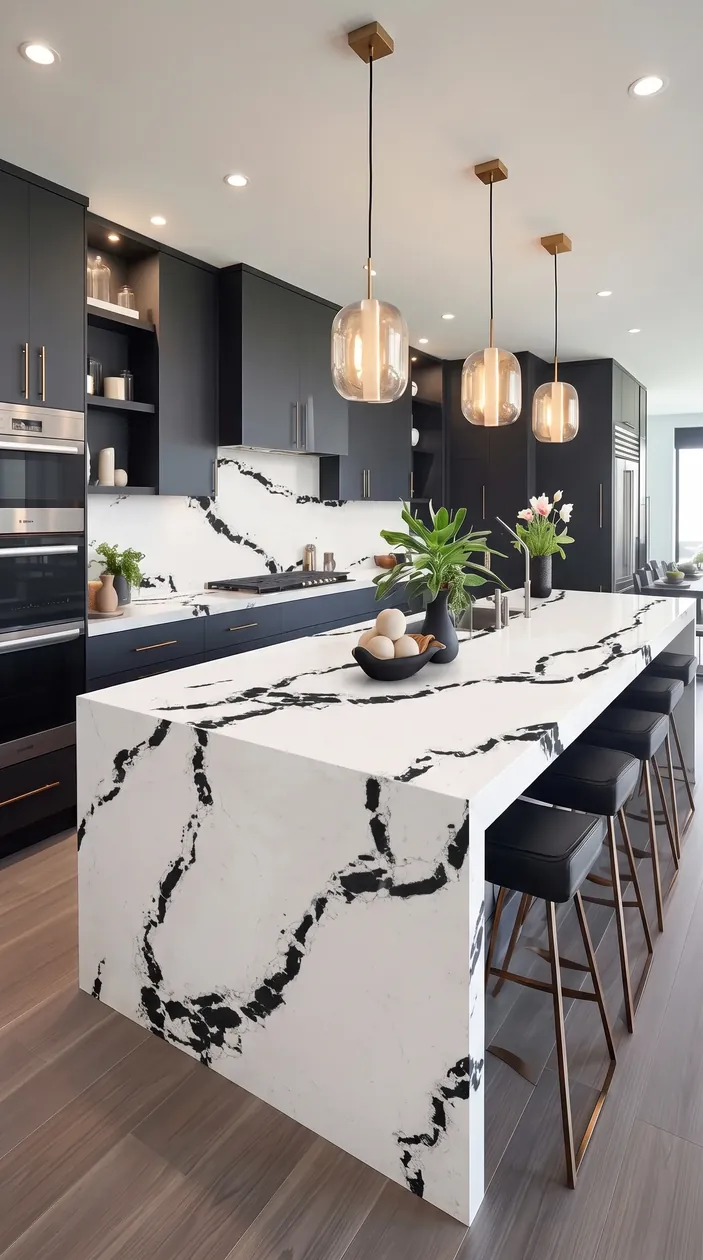
- Quartz: Consumer Reports’ lab tests gave quartz top scores for spills, hot pots and knives. Check the edges and corners, which can chip, and direct sun, which one supplier’s guide says can yellow the resin. See quartz downsides and alternatives for the full list.
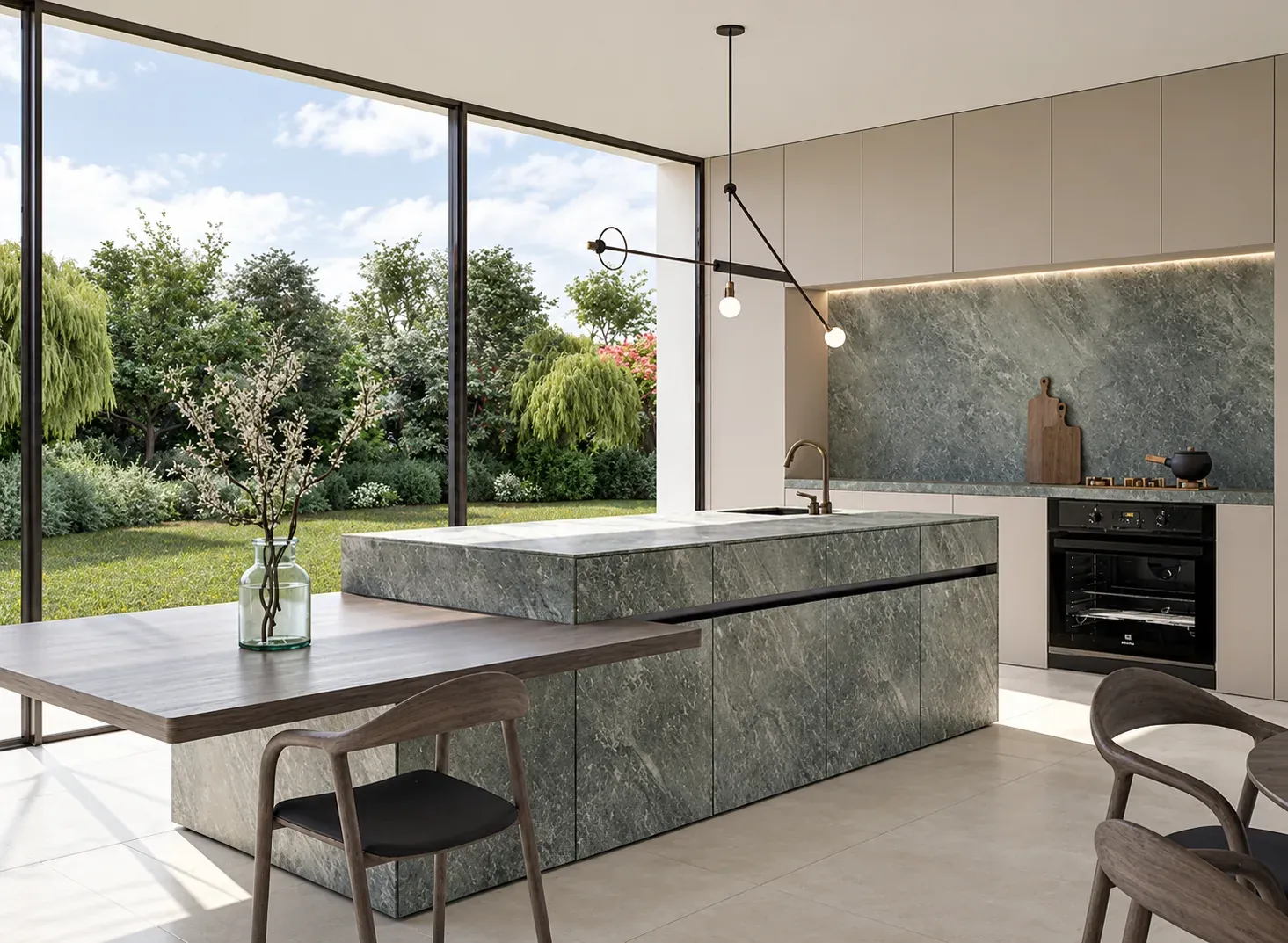
- Mineral: the name describes a category, so composition tells you more than the label does.
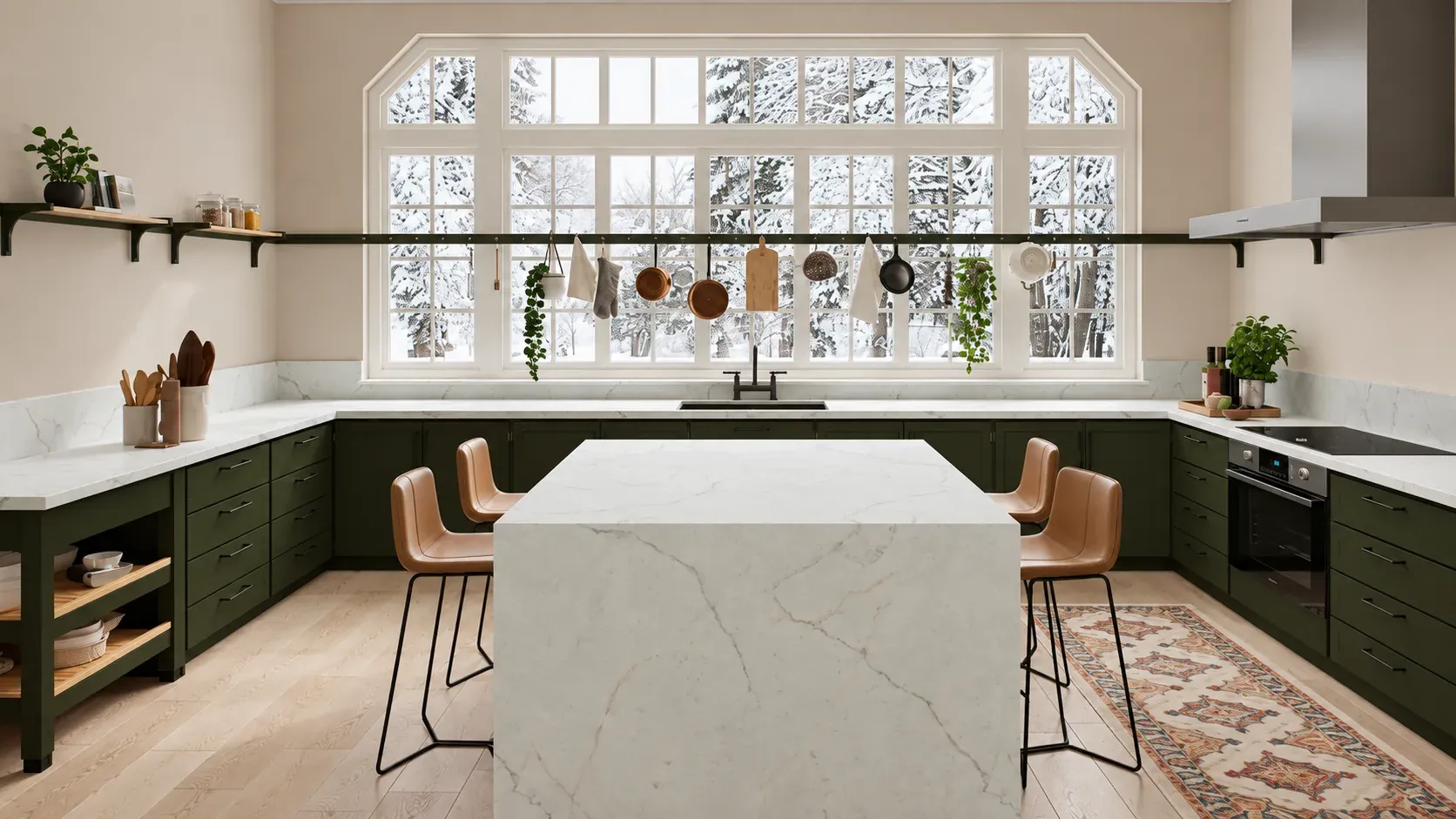
- Porcelain: a fired ceramic sold as large, thin slabs. Check the edge design and who will fabricate it.
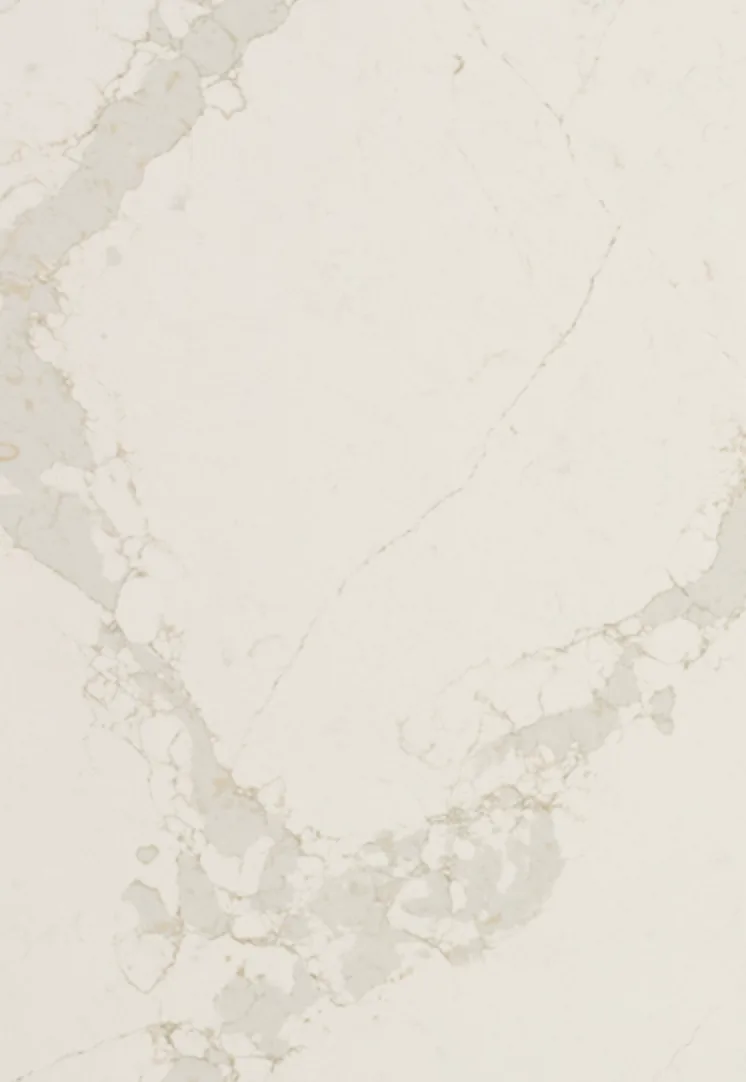
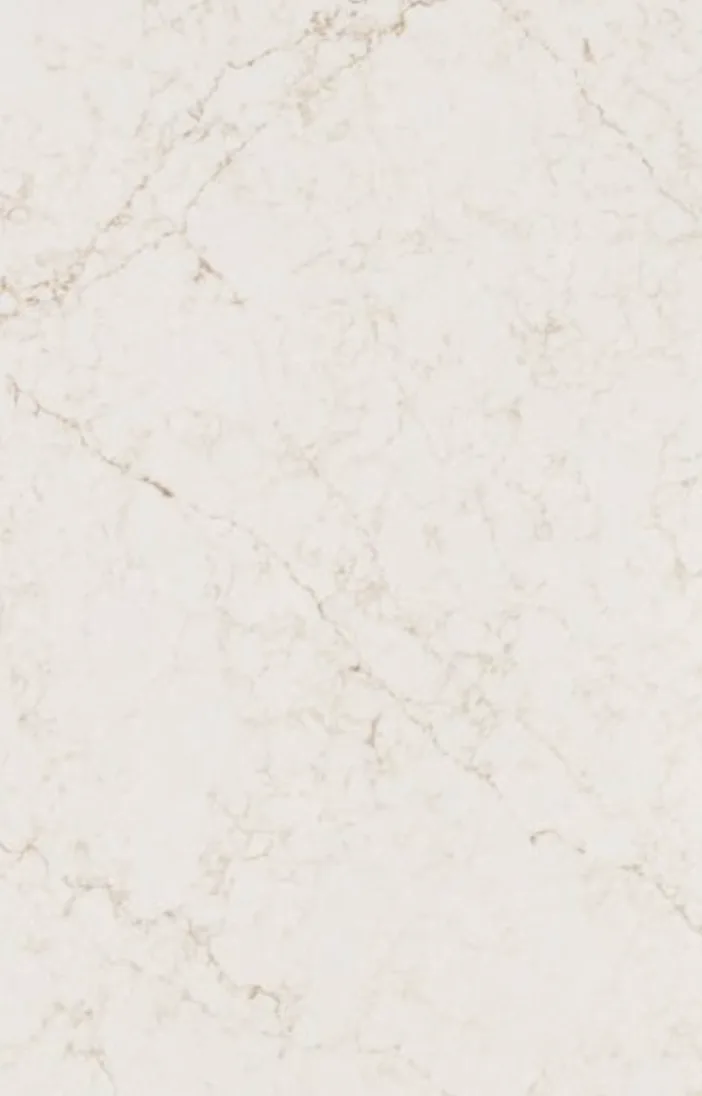
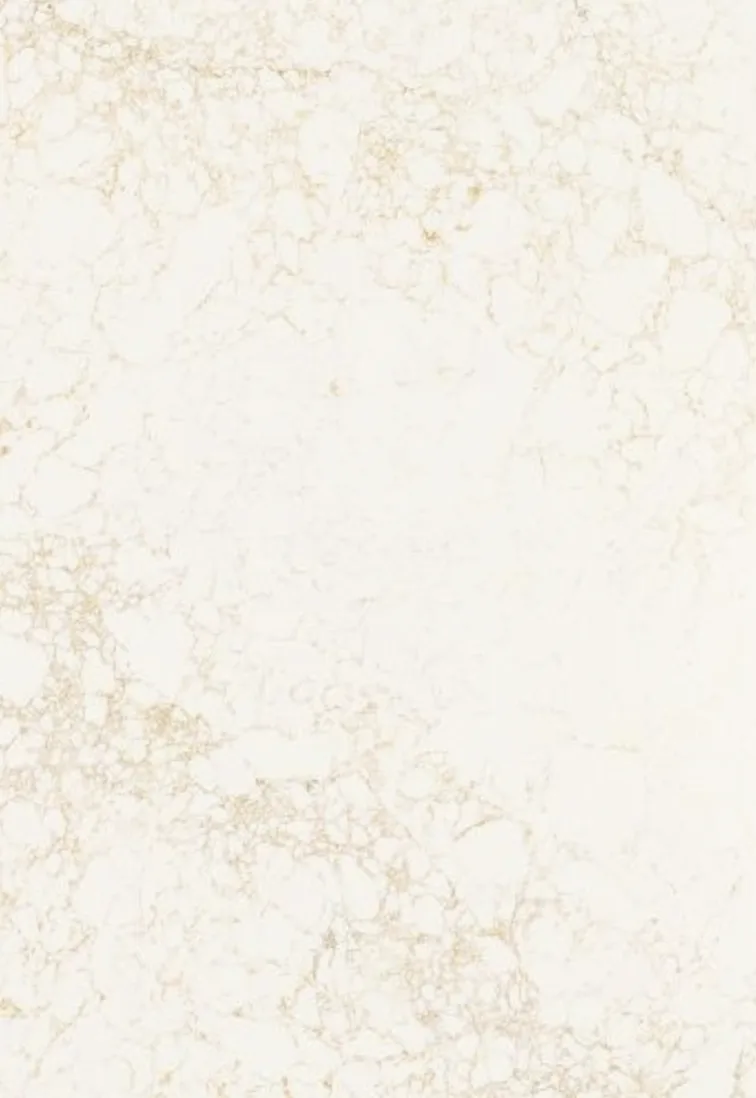
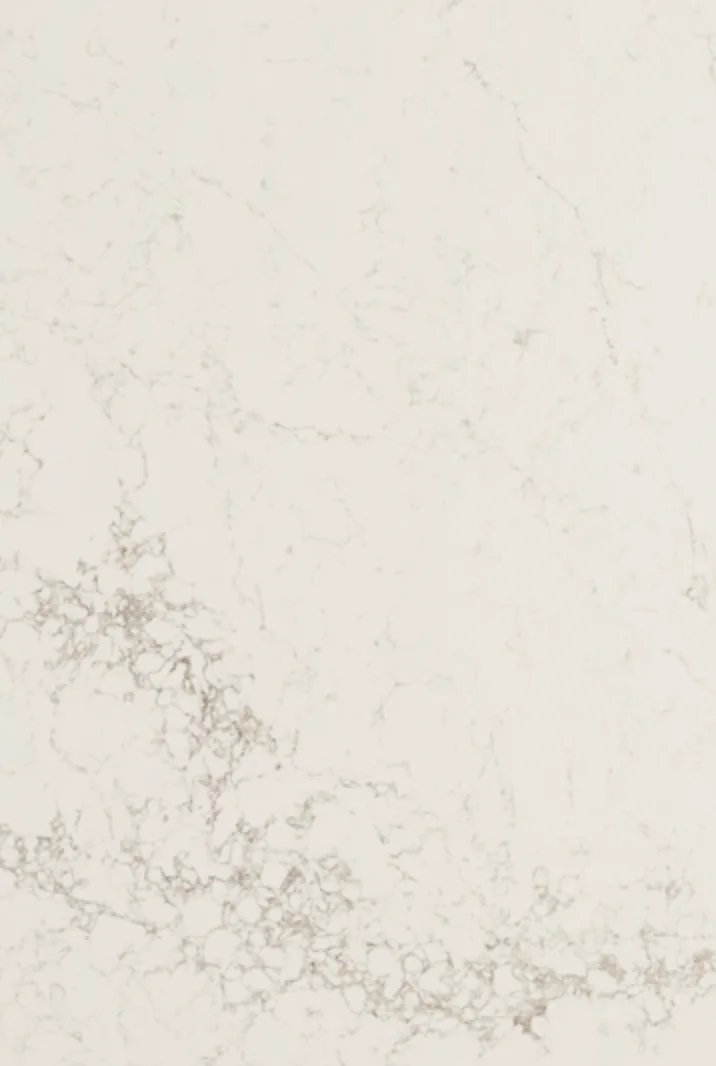
Do not choose on color alone. Two white, veined slabs can come from different categories, with different edges, sun behavior and care routines, so compare the spec sheets as well as the samples.
Which surface for which spot
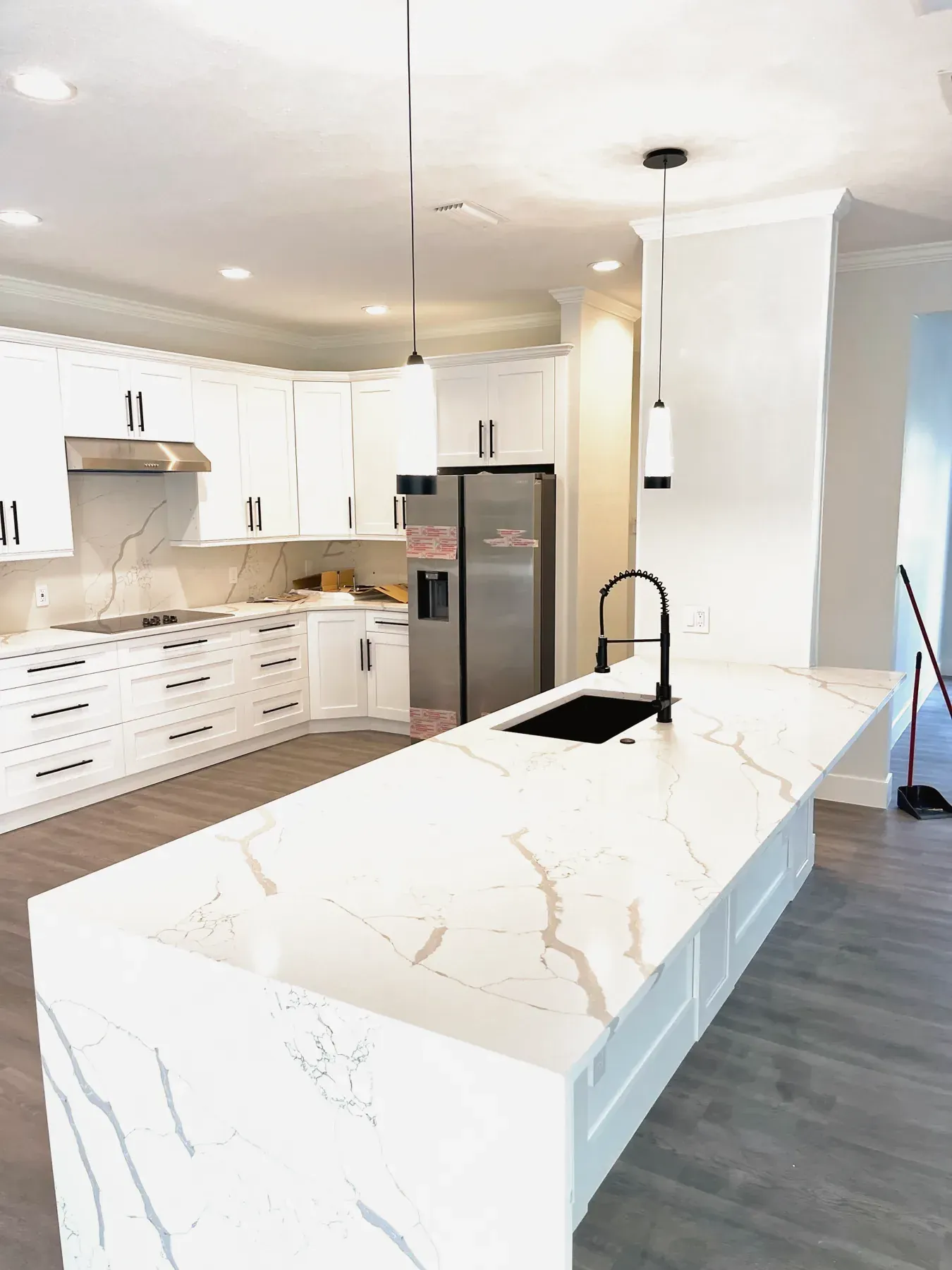
Match each run of counter to its exposure. A busy indoor perimeter is a natural fit for quartz. A sun-washed run, a lanai or an outdoor kitchen is where porcelain is worth pricing, because supplier guidance advises against quartz outdoors. A feature island is where you might compare mineral surfaces, provided you read the safety data sheet first. For a backsplash or a wall, look at porcelain slabs for backsplashes and walls.
What Florida changes
Florida changes the moisture and sun questions more than the ranking. The National Weather Service describes persistent dew points above 70°F in the rainy season, so ask how each surface and its seams handle constant humidity. Then look at sunlight: a counter beside a west-facing slider is a different job from one under cabinets. For salt air, flood zones and cabinet boxes, read our guide to humid and coastal kitchens.
Check these before you approve a slab
Ask for six things before anything is cut. Together they matter more than the material name.
- A full slab or large sample, seen in your kitchen’s light.
- The manufacturer’s safety data sheet (SDS) for the exact color. An SDS lists hazardous ingredients with a concentration or range. Our silica guide explains how to read one.
- A seam layout and an edge profile, drawn out in advance.
- Who measures, cuts and installs, and what happens if a measurement is off or a slab cracks.
- Where the slab will be cut, and how dust is controlled.
- The maker’s care sheet for heat, cleaners and sunlight.
Replacing counters together with cabinets, without moving walls? See kitchen remodeling with cabinets and stone as one project.
Frequently asked questions
Which countertop material suits a Florida kitchen?
There is no single winner, so match the material to the job. Consumer Reports’ tests ranked quartz among the top performers for spills, hot pots and knives, and its guidance says porcelain tile tolerates heat. Sun exposure, edge style and fabrication quality can matter as much as the material.
Can I replace only my cabinets and countertops?
Yes. Darvin Kitchen offers “Cabinetry & Stone Only” packages for kitchens where no walls need to move. The cabinetry choices are on our cabinetry pages.
Do all countertop materials need sealing?
No, and advice is product-specific, so ask for each care sheet. The Natural Stone Institute says most granite countertops do not need sealing, and one quartz supplier’s guide says sealers cannot penetrate quartz.
Keep reading
 Quartz surfacesQuartz surfaces for countertops and backsplashes, chosen together with your cabinetry.Read more
 Mineral surfacesA next-generation surface made from advanced natural minerals. Explore the colors.Read more
 Porcelain countertopsLarge-format porcelain countertop surfaces for kitchens in Southwest Florida. Browse the colors.Read more
 More porcelain surfacesMore porcelain countertop colors and finishes. Browse the range.Read moreTurnkey kitchen remodeling from Venice to TampaCustom cabinetry, stone surfaces and structural remodeling, led by one contractor from the 3D layout to the final inspection.Read more
 Quartz countertop downsides: and what to consider insteadQuartz is still widely chosen, but it has real trade-offs. Here is what published sources say about heat, sun, seams, edges, cost and silica, and how…Read more
 Porcelain vs quartz vs other countertops: what about silica?Crystalline silica is mainly a worker-safety issue that starts in the fabrication shop. Here is what OSHA and NIOSH say about each material, and what…Read more
 Kitchens in humid and coastal Florida homes: what salt and moisture doHumidity, salt and storm water each stress a kitchen in a different place. Here is where they hit, and how to choose materials that hold up.Read more
 CabinetryShaker, slim shaker, high gloss and matte slab cabinetry.Read more
Sources
- Consumer Reports: Countertop buying guide (lab tests of 14 materials)
- Consumer Reports: How to clean and maintain countertops
- NWS Tampa Bay: Florida rainy season, dates and dew points
- Quartz pros and cons post from a U.S. stone supplier (sun, heat, seams; an example from another company)
- OSHA Hazard Communication Standard, Appendix D: Safety Data Sheets
- Natural Stone Institute: Sealing natural stone countertops
- Quartz care guide from a U.S. stone supplier (an example from another company; always use the care sheet for your own product)