









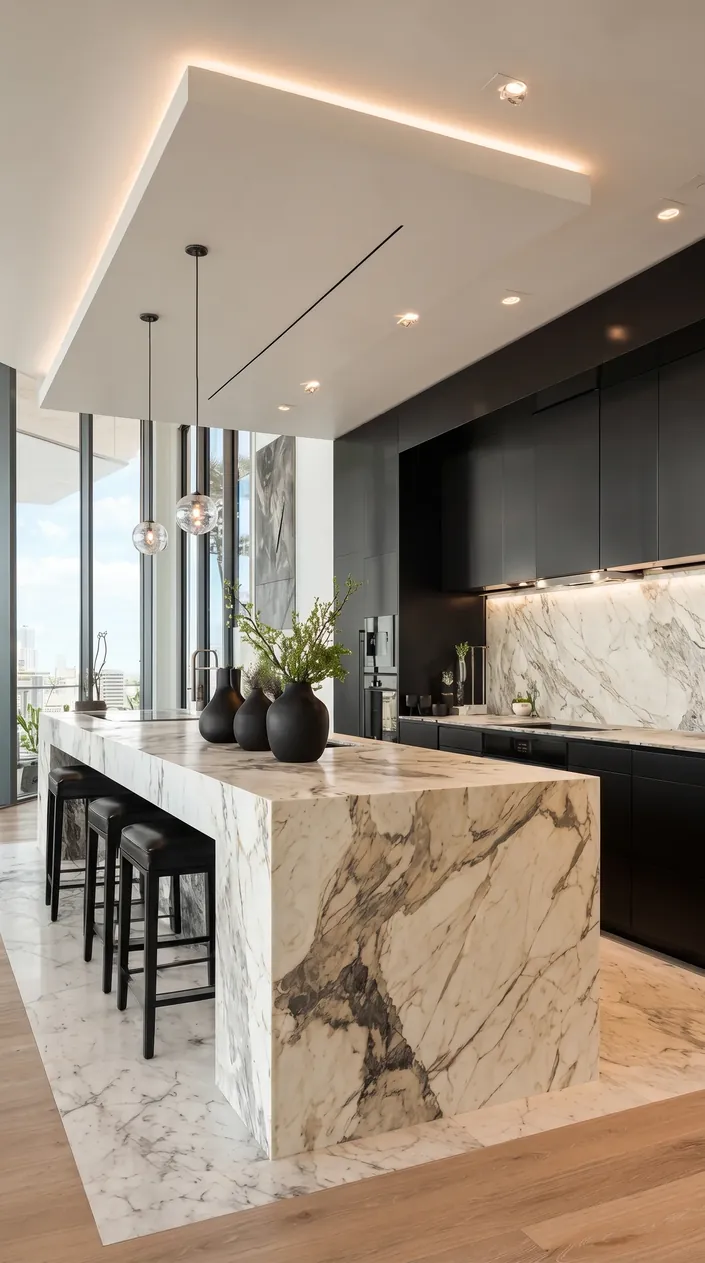
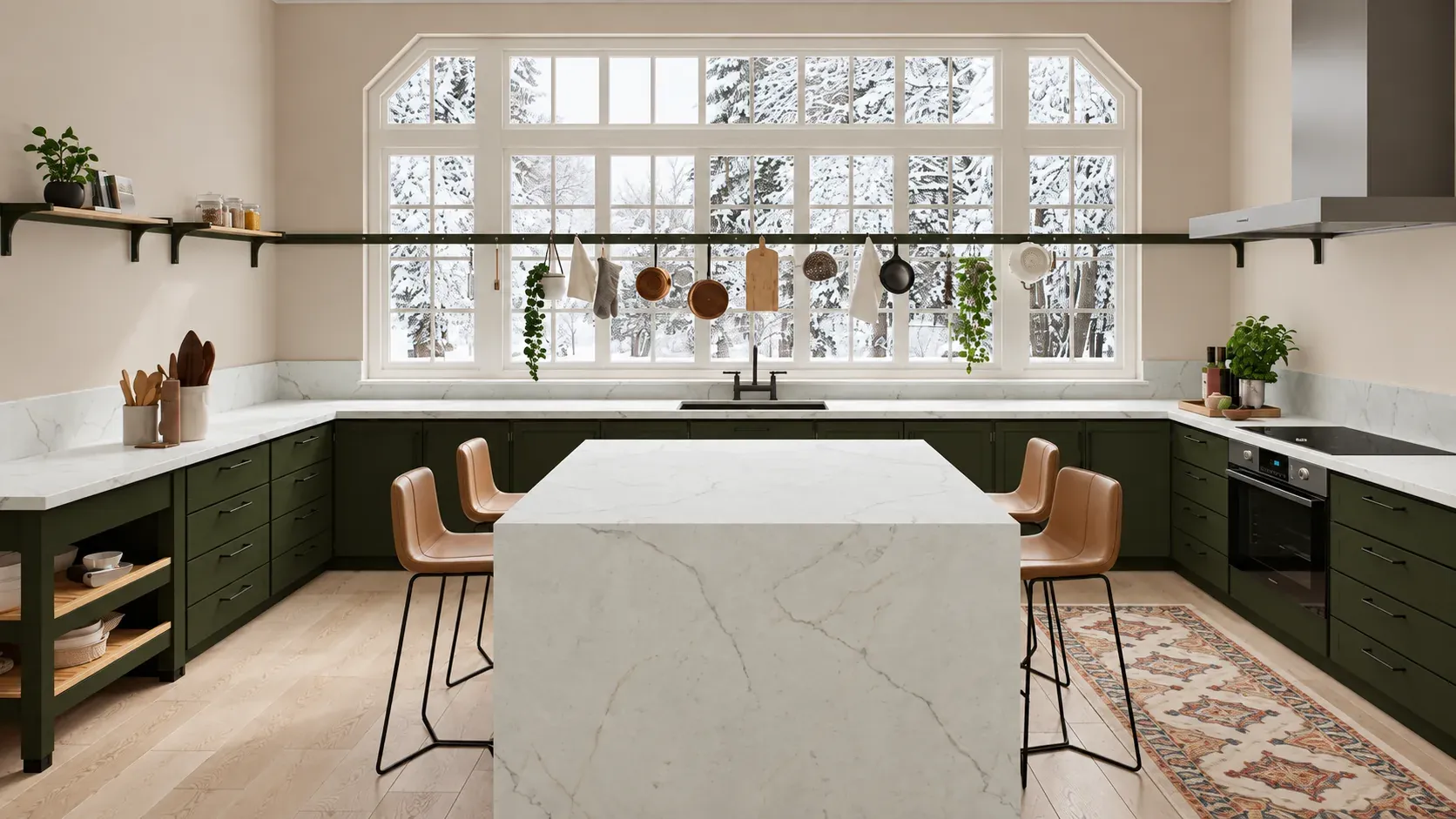
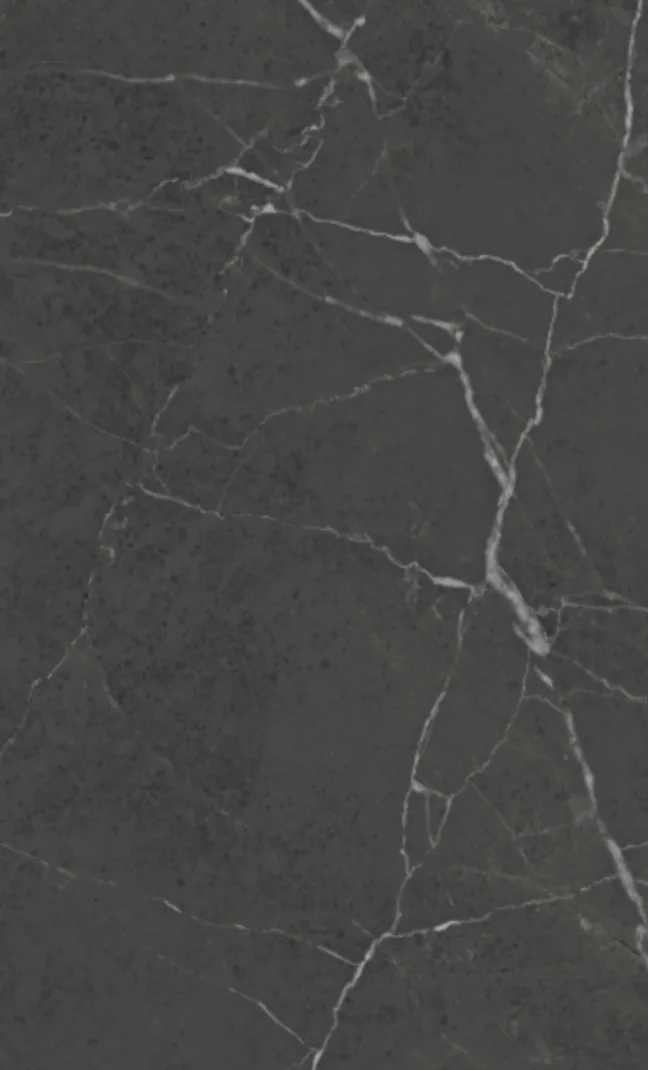


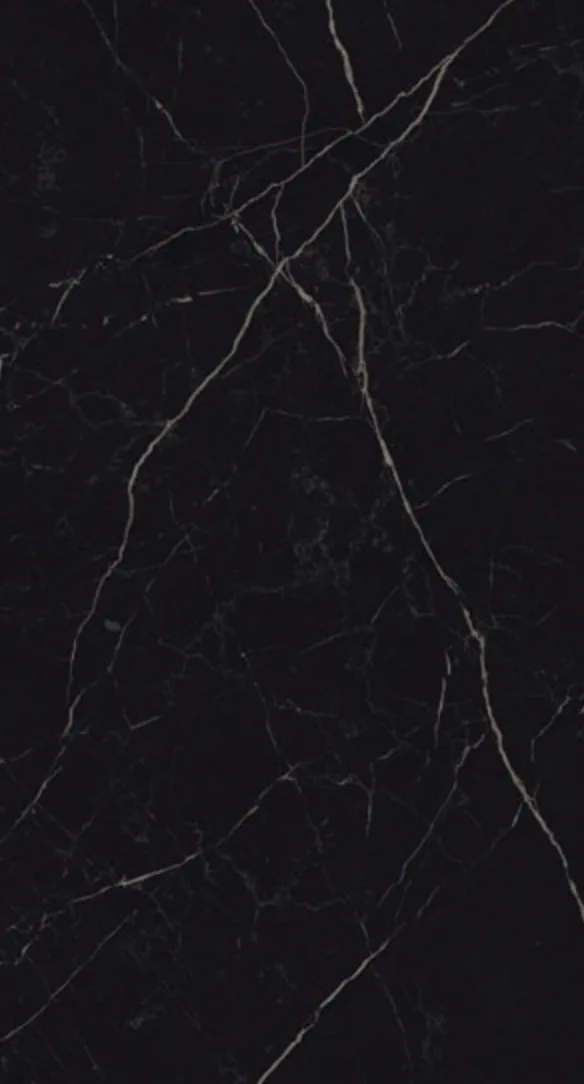


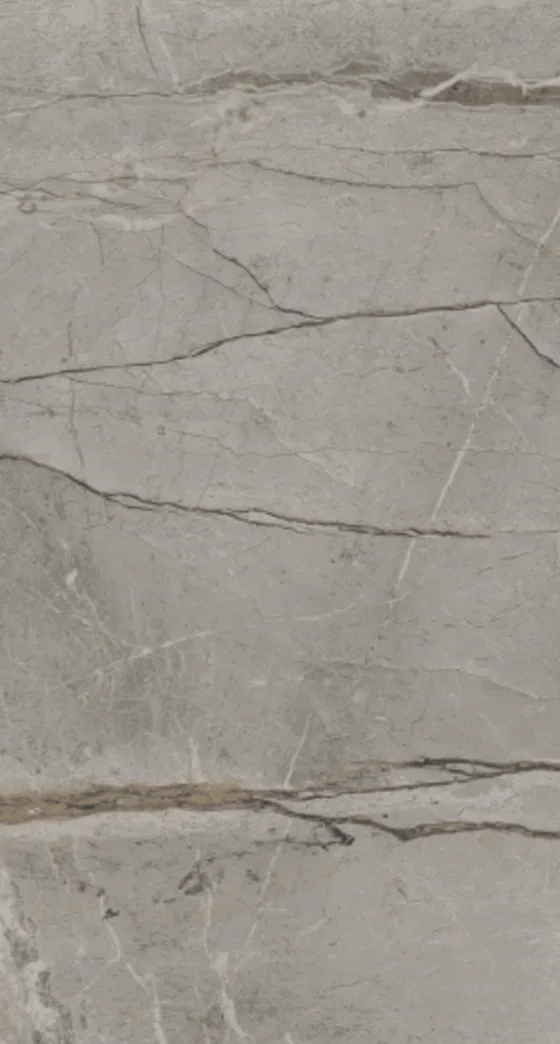
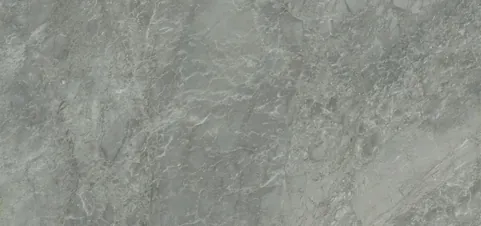




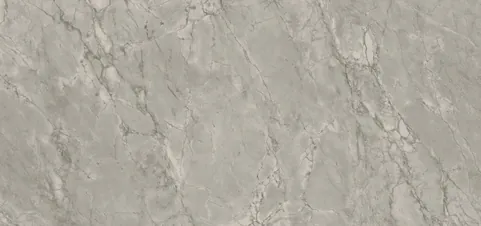
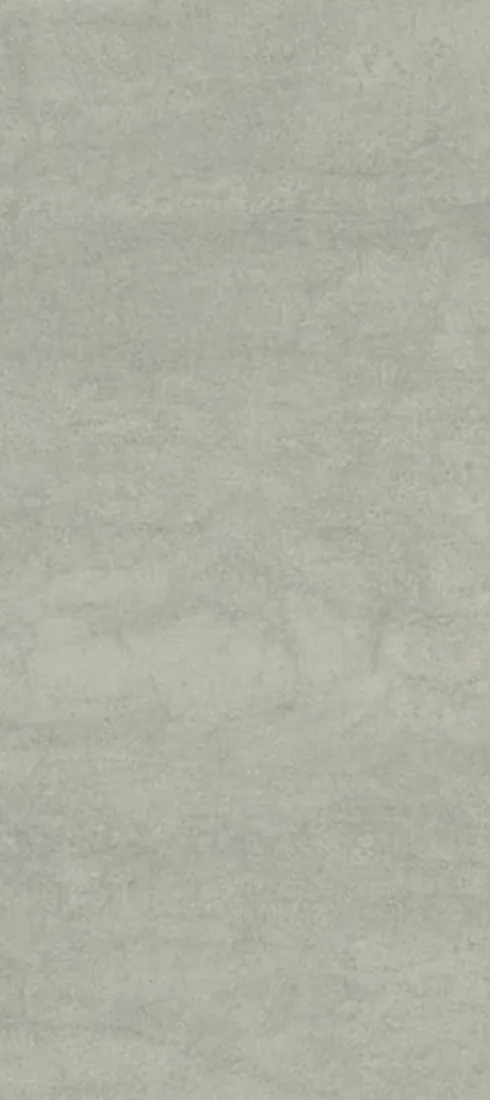
Where porcelain earns its place
Porcelain suits cooks who set hot pans down and owners who want few care steps. Consumer Reports’ guidance on porcelain tile says it handles heat near the stove and resists scratches, etching and food stains, and its sealing advice is about the grout, not the porcelain. A slab countertop has far fewer joints than tile. The stain it singles out is ink, which can be permanent. Extra-large slabs of 72.5 by 130 inches are also on the market, which can mean fewer seams on a long run.
The trade-offs
The trade-offs sit in the edges and the fabrication, not in daily use. Stone World’s fabrication guidance says slabs thinner than 12 mm need an internal structure such as a foam core, and one fabricator it interviewed almost always miters the edge to build a thicker profile. Sink cutouts need relief cuts and solid support, per Stone World’s fabrication guidance, and the top needs level, well-supported cabinetry. Fabricators list chipping, cracking when procedure slips, hard cutting and delicate handling as common challenges, so ask about experience with porcelain. In Consumer Reports’ impact tests on 2 cm samples of a related ultracompact material, edges chipped and cracked, so edge design deserves attention.
What to ask a fabricator
Ask who has cut porcelain before, and look at the edge on a sample.
- The slab’s thickness, and whether the manufacturer lists it for countertop use. Per the TCNA listing, ANSI A137.3 has countertop strength criteria for three thickness classes: 3.5 to 4.9 mm, 5.0 to 6.5 mm and 20 mm and up.
- How the edge is built, mitered or built up, and how the joint looks up close, because adhesive cannot be color-matched to hide it.
- How cutouts will be supported, and whether the cabinet base is level.
- How the slab is cut and finished. Porcelain is not automatically silica-free, so ask for the SDS.
More colors and formats, plus backsplash and wall uses, are on the second porcelain page. Our silica guide covers dust and SDS questions, and quartz downsides and alternatives compares the options.
Frequently asked questions
Is porcelain more likely to chip than quartz?
The sources we reviewed do not compare them head to head. Consumer Reports says quartz can chip at edges and corners, and its impact tests on 2 cm samples of a related ultracompact material chipped edges. Either way, ask for an edge design without thin, sharp corners.
Can porcelain scratches be repaired?
A fabricator guide in Stone World says repair kits exist for light surface scratches. For anything deeper, ask your fabricator and the manufacturer.
Does a porcelain countertop need support underneath?
Thin slabs do. Stone World’s fabrication guide says 3.5 mm and 6 mm slabs need a substrate, while 12 mm and thicker do not. Either way, the cabinets must be level.
Keep reading
 More porcelain surfacesMore porcelain countertop colors and finishes. Browse the range.Read more
 Porcelain vs quartz vs other countertops: what about silica?Crystalline silica is mainly a worker-safety issue that starts in the fabrication shop. Here is what OSHA and NIOSH say about each material, and what…Read more
 Quartz countertop downsides: and what to consider insteadQuartz is still widely chosen, but it has real trade-offs. Here is what published sources say about heat, sun, seams, edges, cost and silica, and how…Read more
 Kitchens in humid and coastal Florida homes: what salt and moisture doHumidity, salt and storm water each stress a kitchen in a different place. Here is where they hit, and how to choose materials that hold up.Read more
Sources
- Consumer Reports: How to clean and maintain countertops
- Consumer Reports: Countertop buying guide (lab tests of 14 materials)
- Stone World: Advice on handling, fabricating and installing porcelain slabs (Jan. 25, 2021)
- Stone World: Working with compact sintered stone and porcelain slabs (Feb. 6, 2019)
- Stone World: A fabricator’s guide to cutting porcelain and sintered stone (June 25, 2026)
- Stone World: Optimum Porcelain Slabs (Feb. 17, 2026)
- TCNA: ANSI A137.3, A108.19 and A108.20, specifications for gauged porcelain tiles and tile panels/slabs (October 2025)
- AIHA: OSHA, NIOSH urge countertop fabrication shops to adopt silica controls (summary of the 2026 alert)