










How to choose a door style
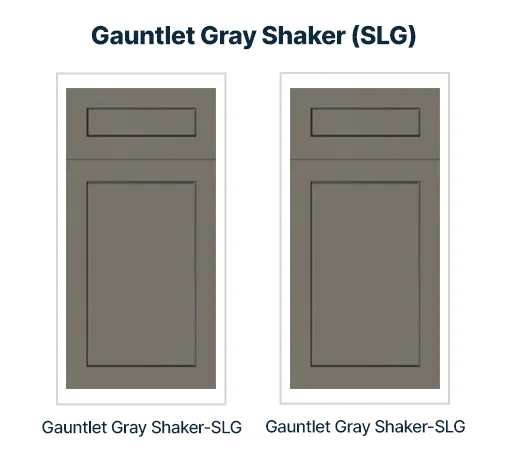
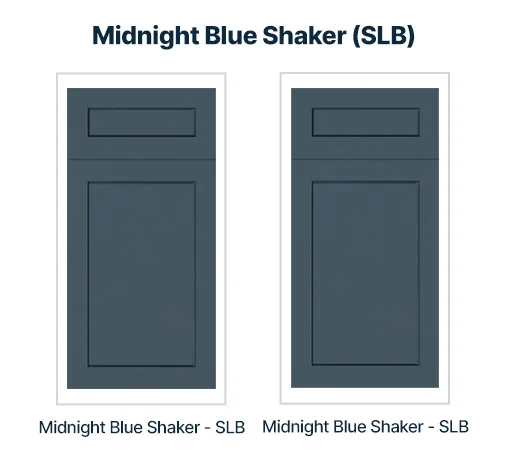
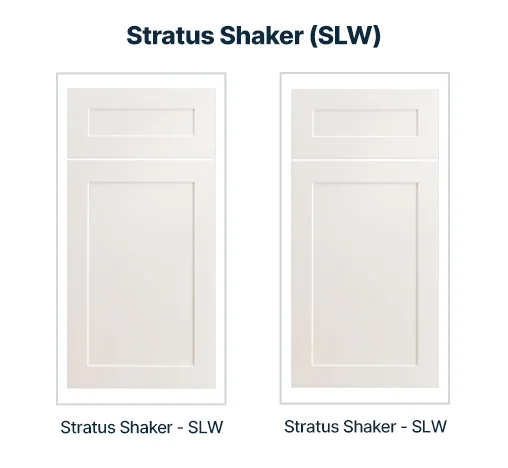
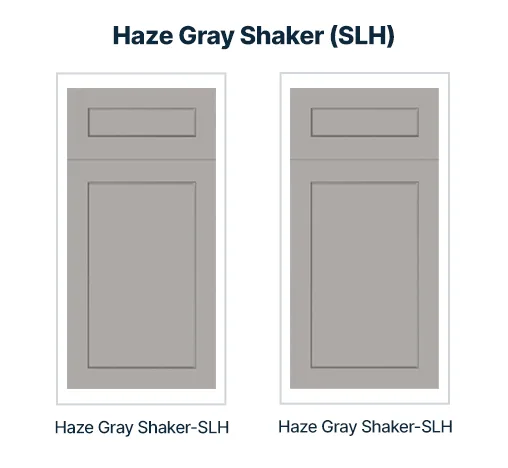
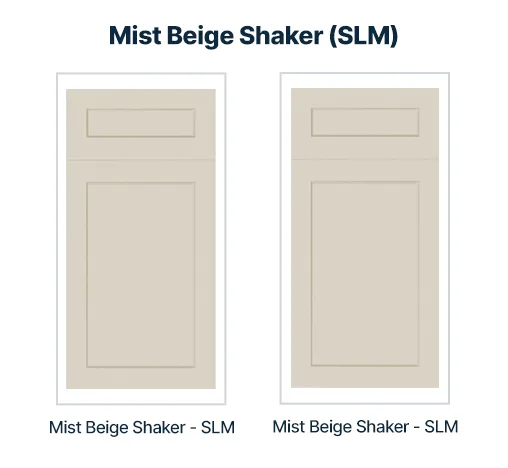
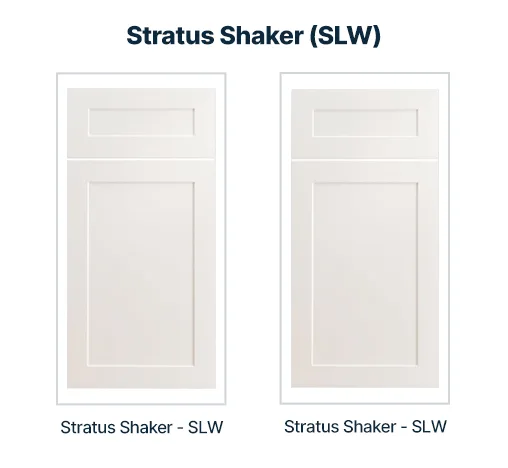
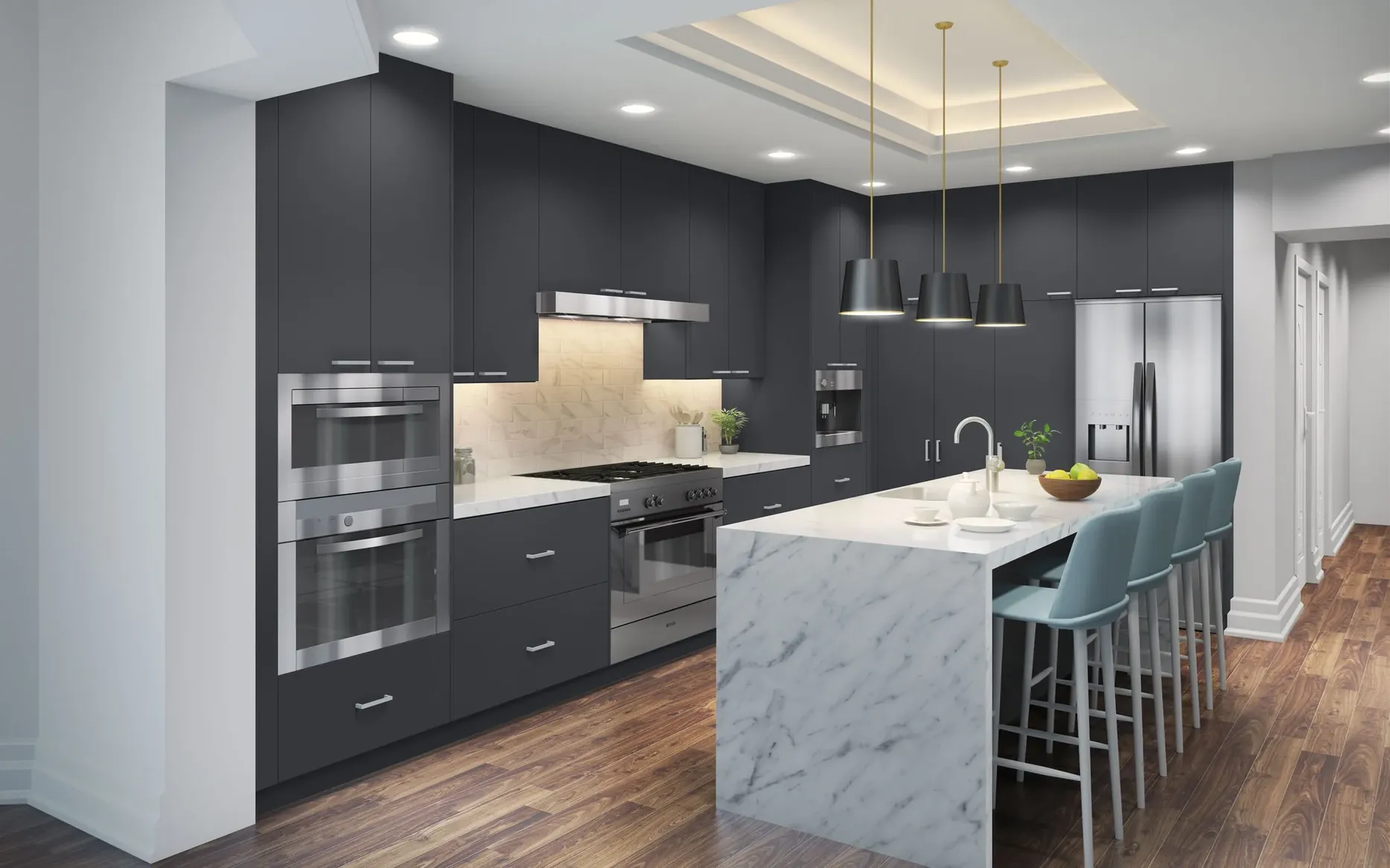
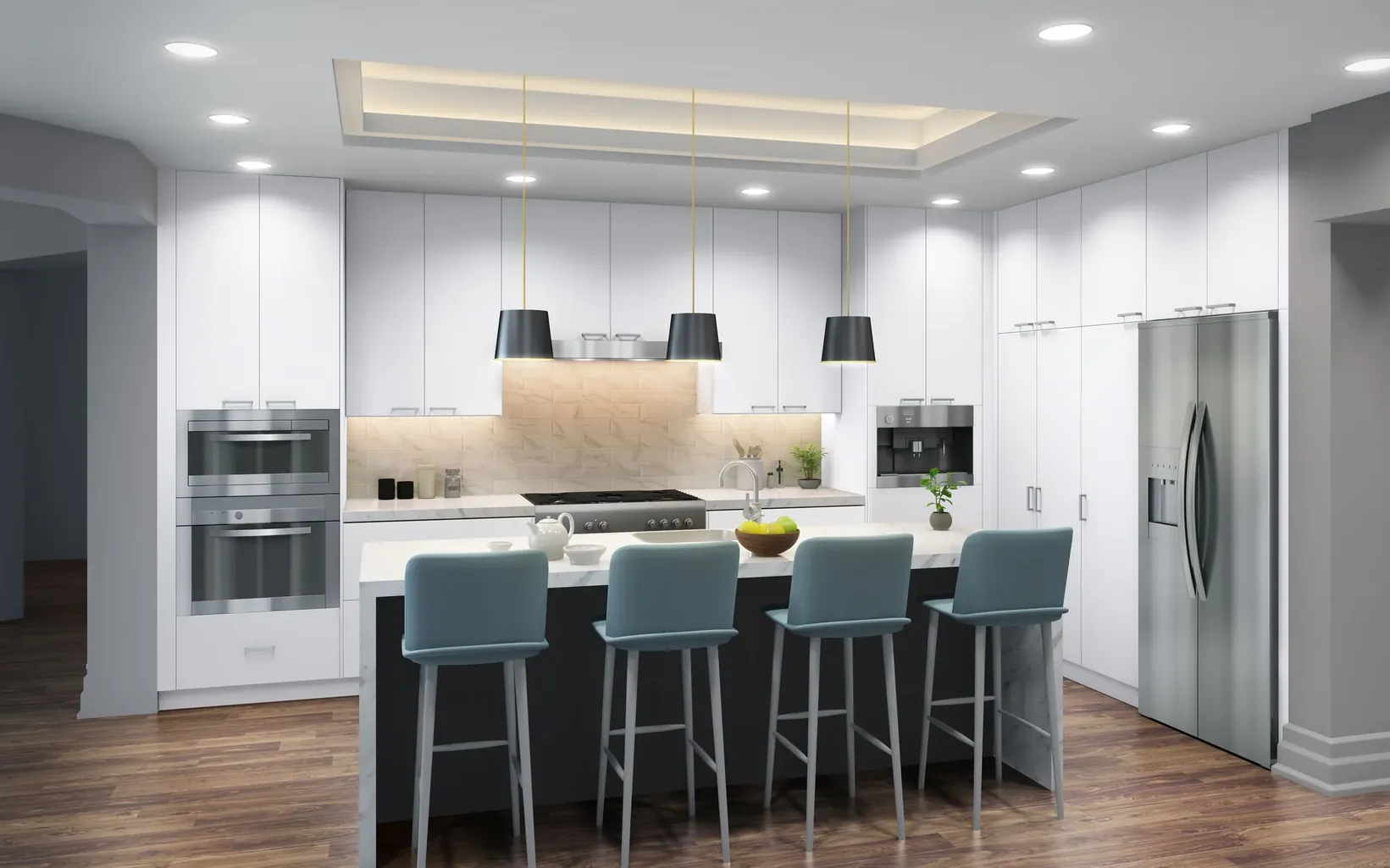
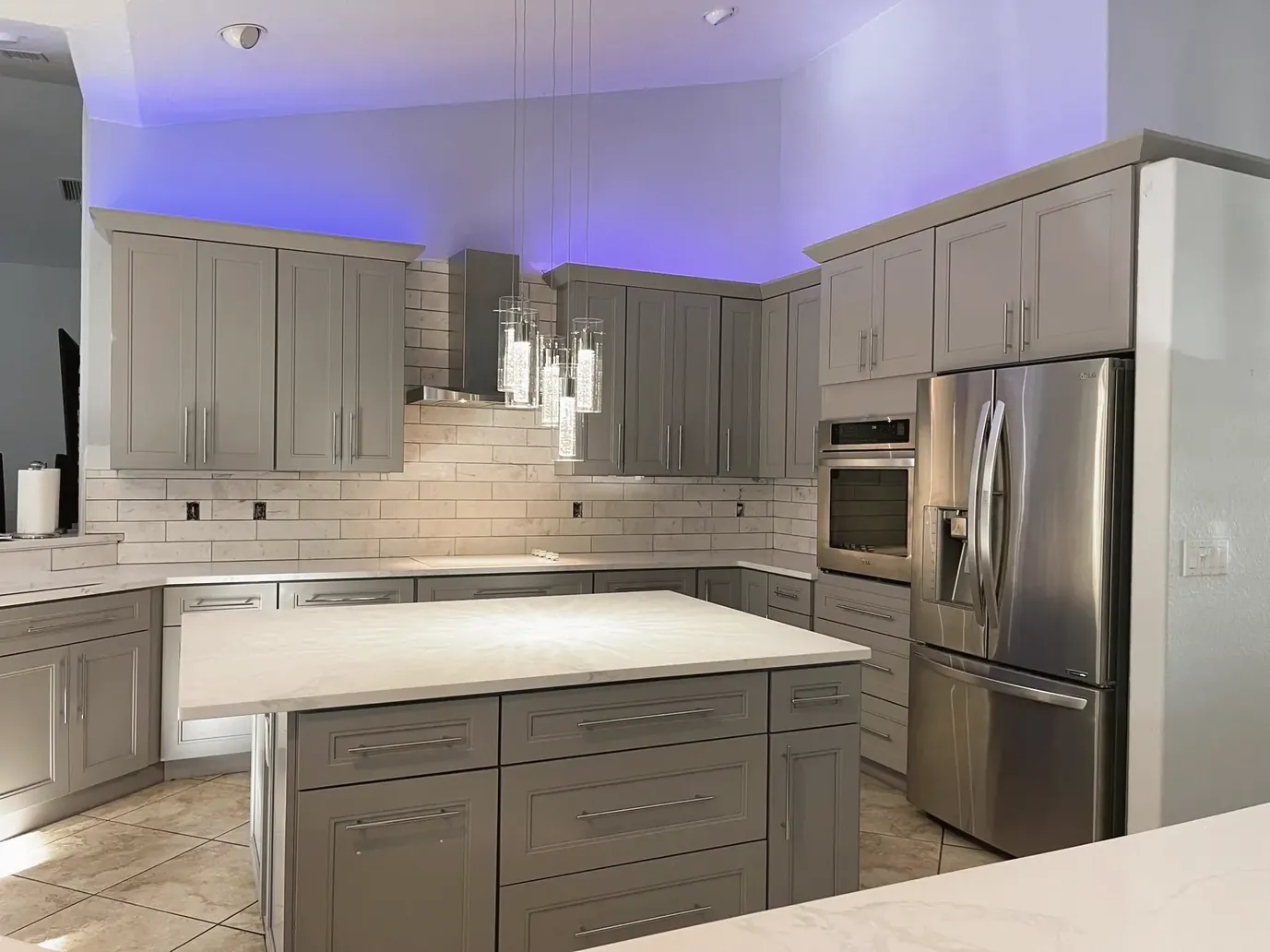
Choose the door by the look you want and the amount of wiping you will accept. A shaker door has a recessed center panel inside a square frame and suits traditional and transitional rooms. A slab door is one flat panel and suits modern ones. The four styles in this catalog:
- Shaker: the framed classic on this page.
- Slim shaker: the same outline with a narrower frame, so the door reads lighter. See slim shaker doors.
- High gloss slab: a flat, reflective face that brightens a room and shows every smudge. See high gloss slab doors.
- Matte slab: a flat face without glare, quieter in strong light. See matte slab doors.
Not sure whether a frame or a flat front fits your layout? Our guide to shaker vs. slab cabinet doors compares them side by side.
What to check behind the finish
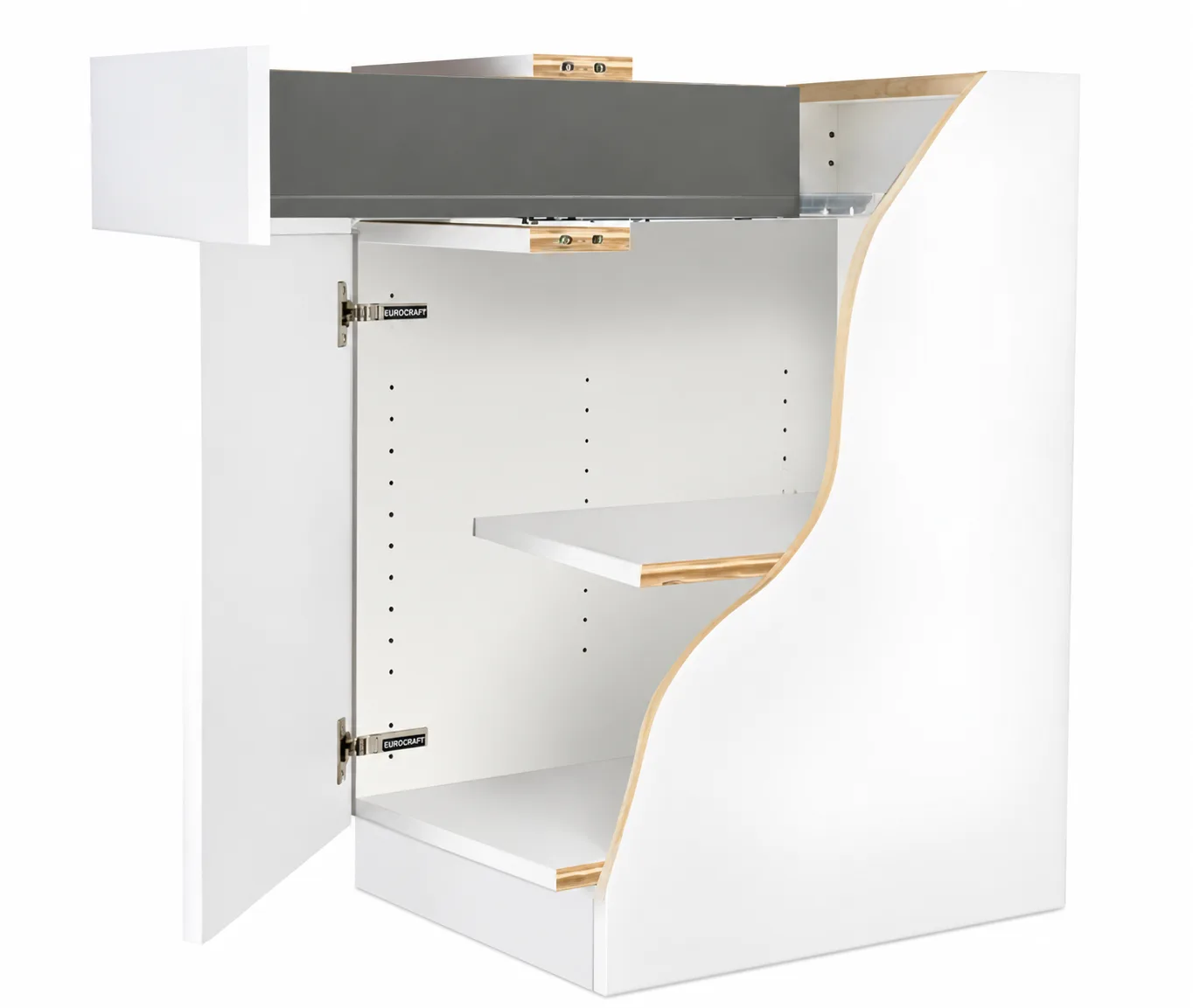
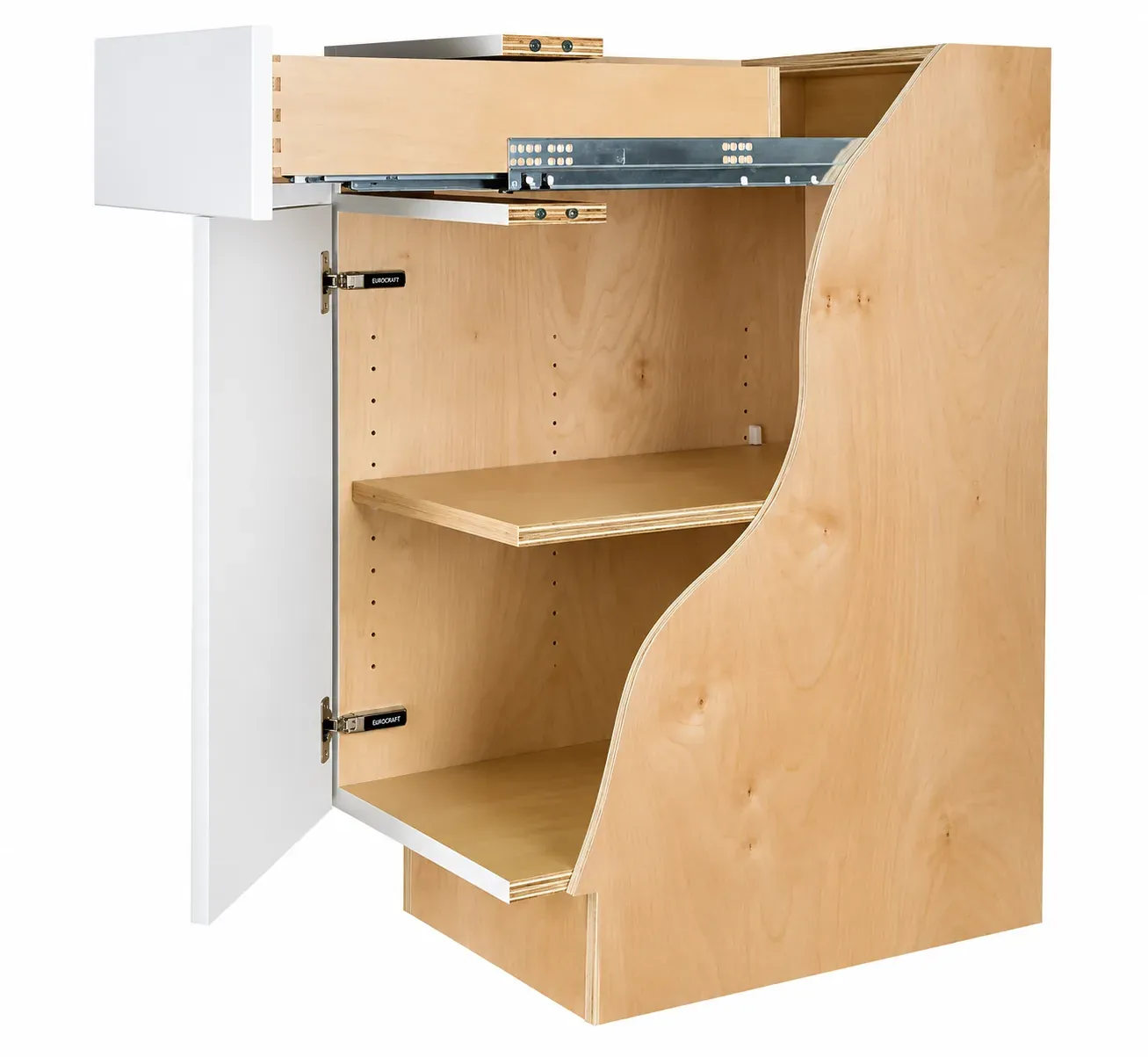
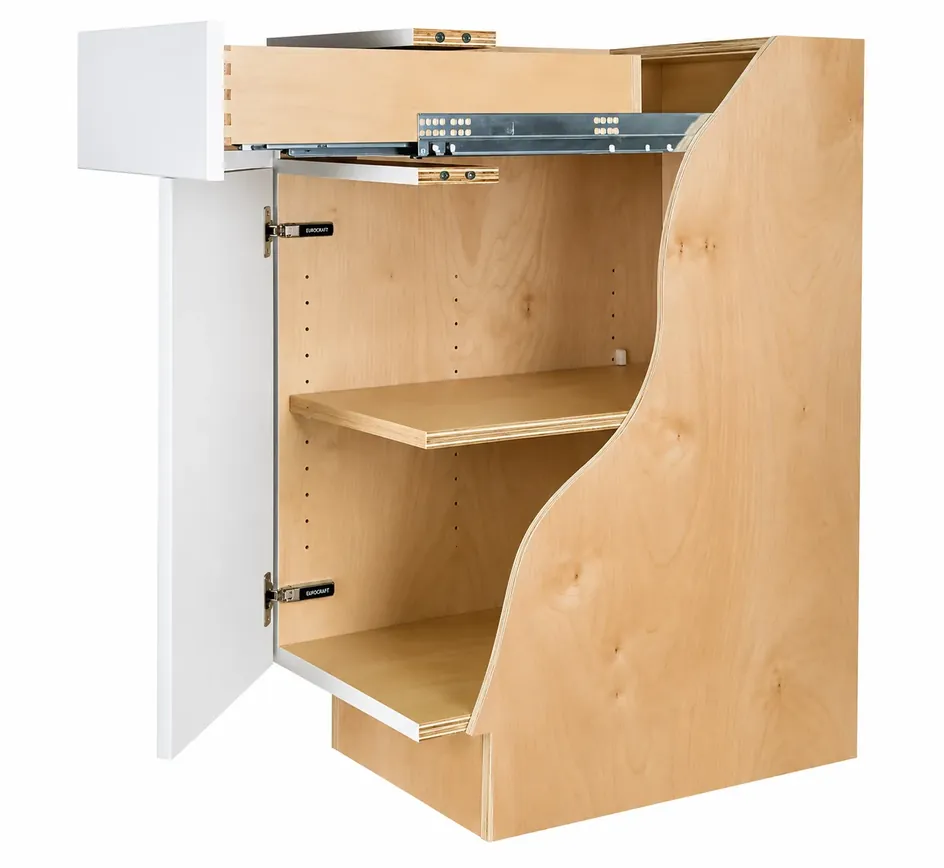
In a humid climate, the door’s core and the way its edges and back are covered matter more than its color. The Composite Panel Association (CPA) says all wood products gain and lose moisture with the surrounding air, and that MDF swollen by high humidity does not fully recover when it dries. Its bulletin on laminated panels adds that a panel without a backing sheet can take up moisture through the back, and that backers also resist splashes and drips. For salt air, flood zones and cabinet boxes, see our guide to kitchens in humid and coastal Florida homes.
Before you choose, ask:
- What is the core of the doors and drawer fronts?
- How are the edges and the back covered?
- Is there a care sheet with heat clearances near the range and dishwasher?
- Does the cabinet line meet ANSI/KCMA A161.1? According to the Kitchen Cabinet Manufacturers Association, its tests include 25,000 door and drawer cycles and finish tests for heat with humidity, cold and spills.
Daily care, any style
Wipe with a soft, damp cloth and dry the surface right away. Skip abrasive pads and harsh chemicals, and keep steam and hot items away from film-faced fronts. Wipe up splashes at the sink and dishwasher first, since the bottom edges of doors are where water sits. One Australian distributor’s care sheet for thermo-laminated doors calls them water-resistant but not waterproof and warns against extreme humidity. The EPA advises keeping indoor humidity below 60 percent, ideally between 30 and 50 percent.
Changing the layout as well as the doors? See how a turnkey kitchen remodeling project runs from the 3D layout to the final inspection.
Frequently asked questions
Does one door style handle Florida humidity better than another?
Not by shape alone. The core, the edges, the back and how dry you keep the room count more. The EPA says to dry water-damaged materials within 24 to 48 hours, so wipe up splashes at the sink and dishwasher quickly.
Can I mix door styles in one kitchen?
Nothing technical stops you. The risk is clashing colors and sheens, so look at the sample doors together, next to your countertop sample, in your own kitchen’s light.
What should I decide before choosing a door?
Settle your layout and appliances first. The exact sizes of your refrigerator, range and other appliances shape the cabinet design, and a door style is easier to judge once the layout is fixed.
Keep reading
 Slim shaker cabinetryDiscover the perfect blend of classic design and contemporary sleekness with our Shaker and Slim Shaker doors.Read more
 High gloss slab cabinetryExplore the ultimate in modern sleekness with our High Gloss Doors and their stylistic options.Read more
 Matte slab door cabinetryMatte slab doors with a flat, glare-free face from the Signature and Trends Series.Read moreTurnkey kitchen remodeling from Venice to TampaCustom cabinetry, stone surfaces and structural remodeling, led by one contractor from the 3D layout to the final inspection.Read more
 Shaker vs slab cabinet doors: and high gloss vs matteA Shaker door has a frame around a flat center panel; a slab door is one flat piece. Here is how the styles and finishes compare for looks, cleaning…Read more
 Kitchens in humid and coastal Florida homes: what salt and moisture doHumidity, salt and storm water each stress a kitchen in a different place. Here is where they hit, and how to choose materials that hold up.Read more
Sources
- Composite Panel Association: Dimensional Stability of Particleboard and MDF (Technical Bulletin, 2023)
- KCMA: Cabinets certified to last (ANSI/KCMA A161.1, January 2023)
- EPA: A Brief Guide to Mold, Moisture, and Your Home
- Care sheet from an Australian thermo-laminated door distributor (an example, not Darvin Kitchen’s product)
- Cabinetnow: Guide to choosing shaker cabinet door styles