



































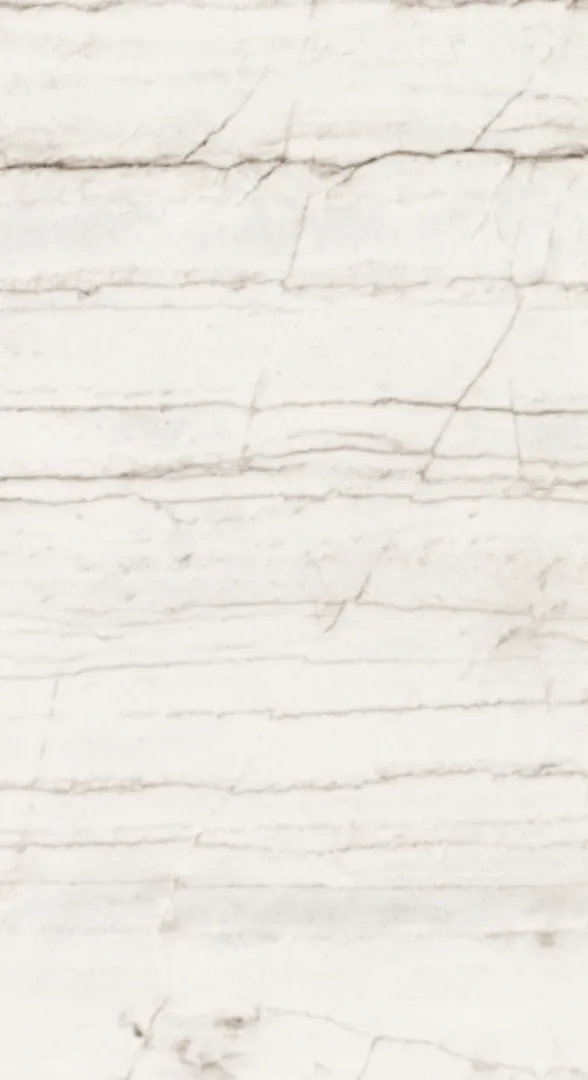




Slab sizes and thickness
A porcelain slab is a large, thin panel, and its thickness decides where it can go. Trade press describes common formats of about 47 by 102 inches and 63 by 126 inches. Ask for your slab’s size early, because it decides where seams fall on a long run or an island. Check the thickness class with the manufacturer; the standard’s numbers are on the porcelain countertops page.
Finishes and patterns
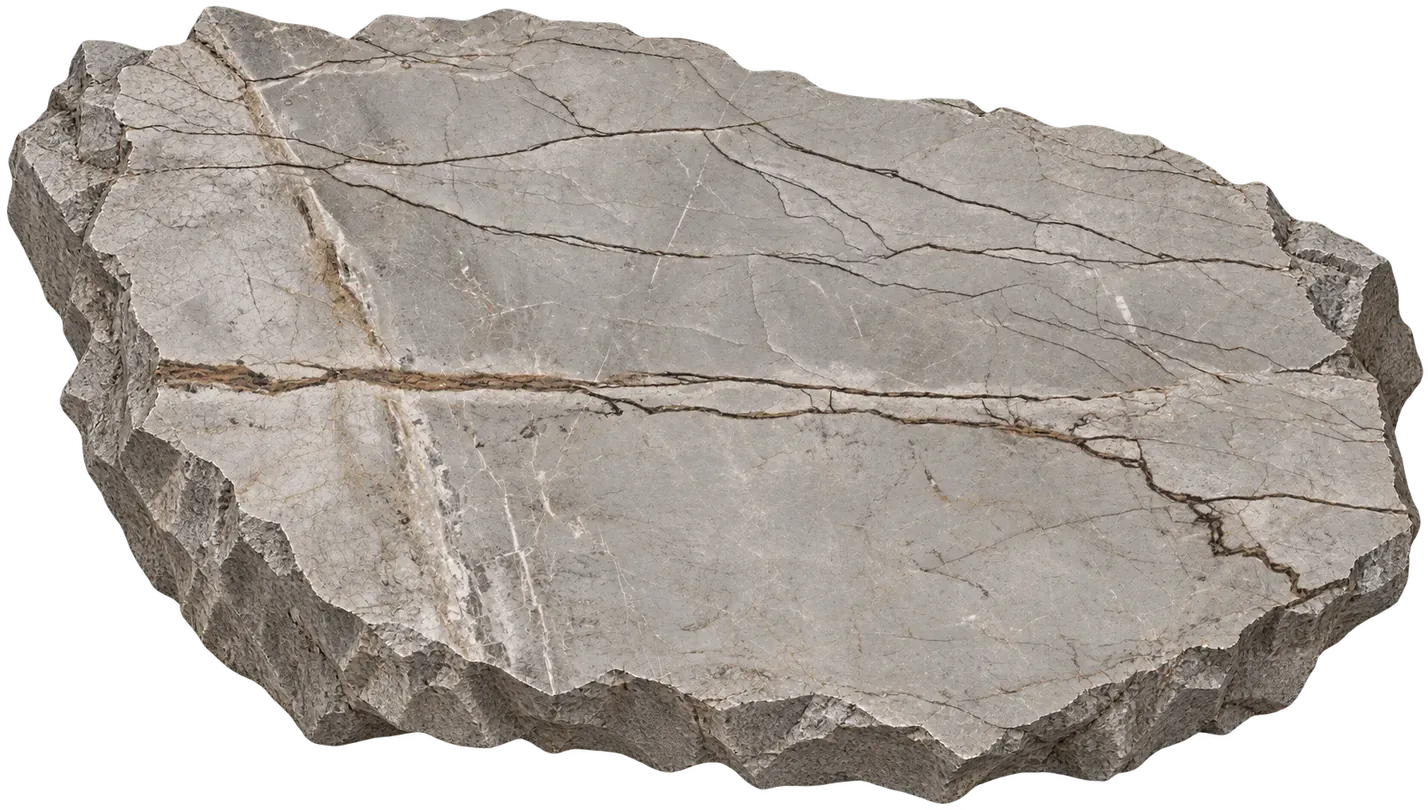
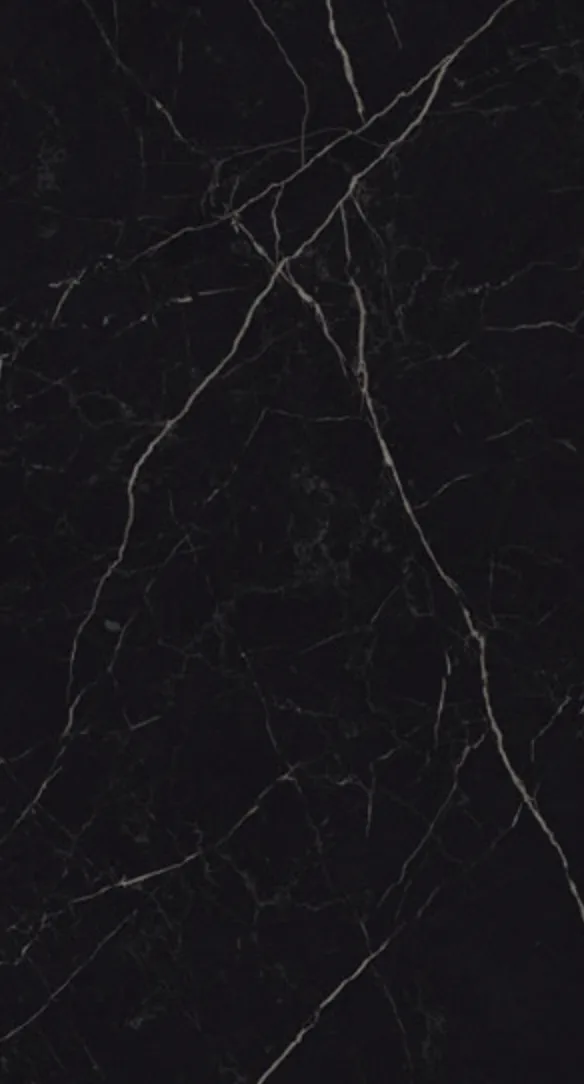
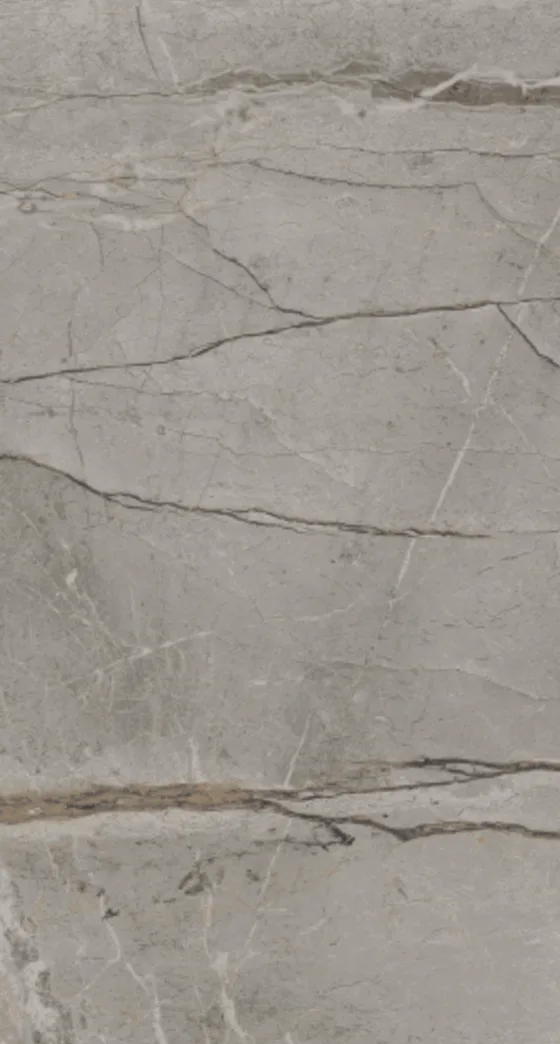
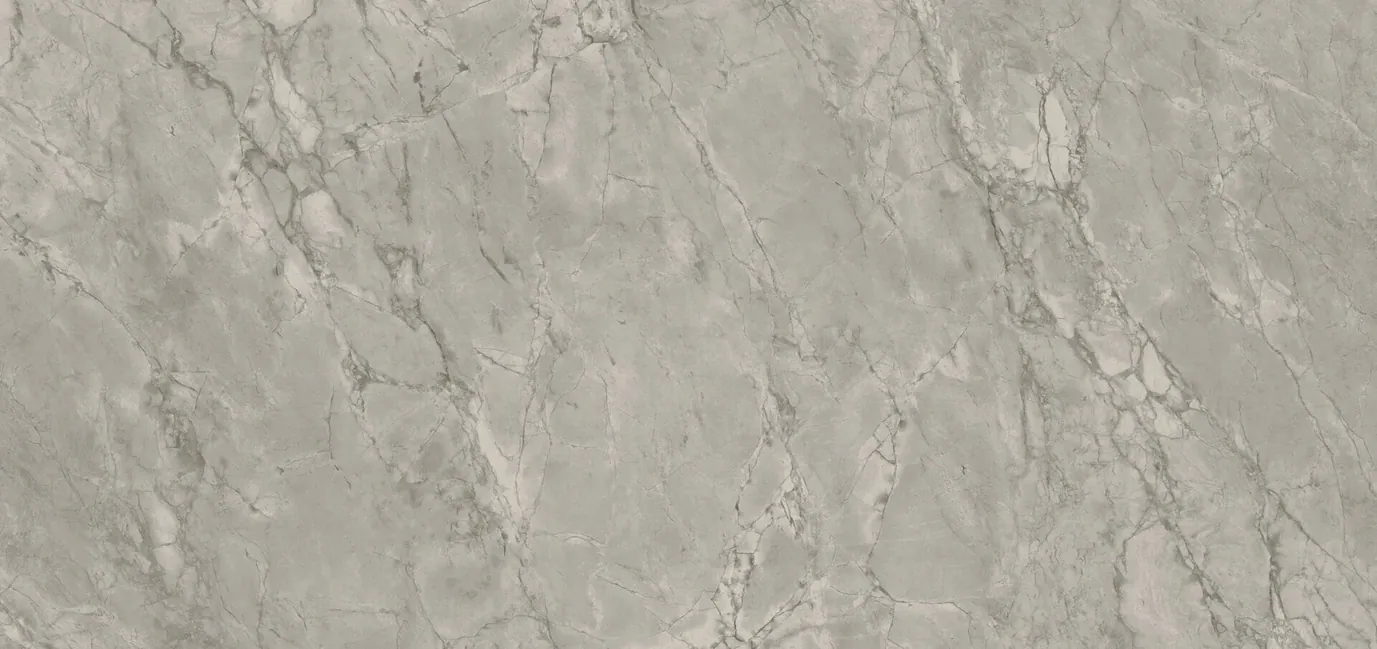
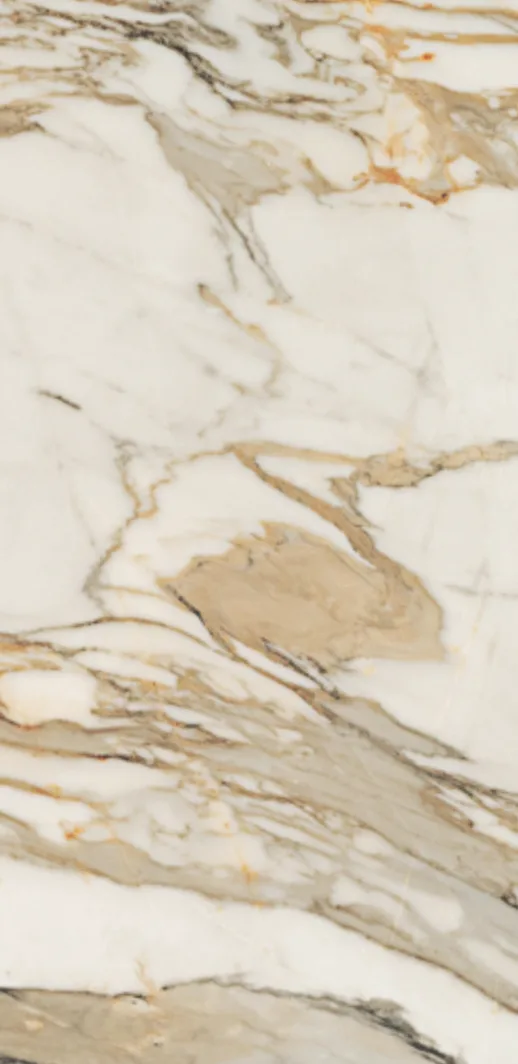
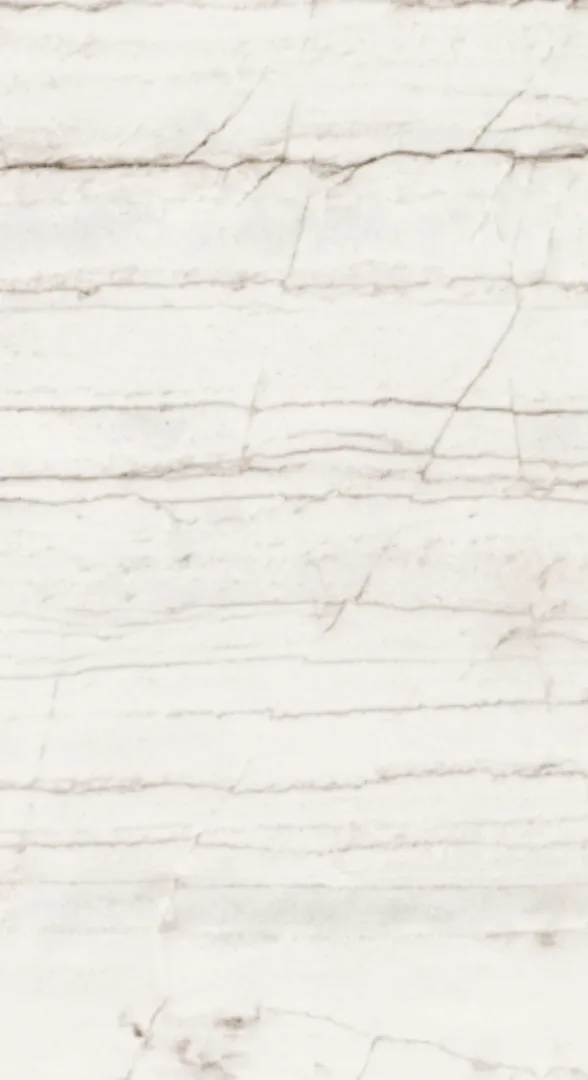
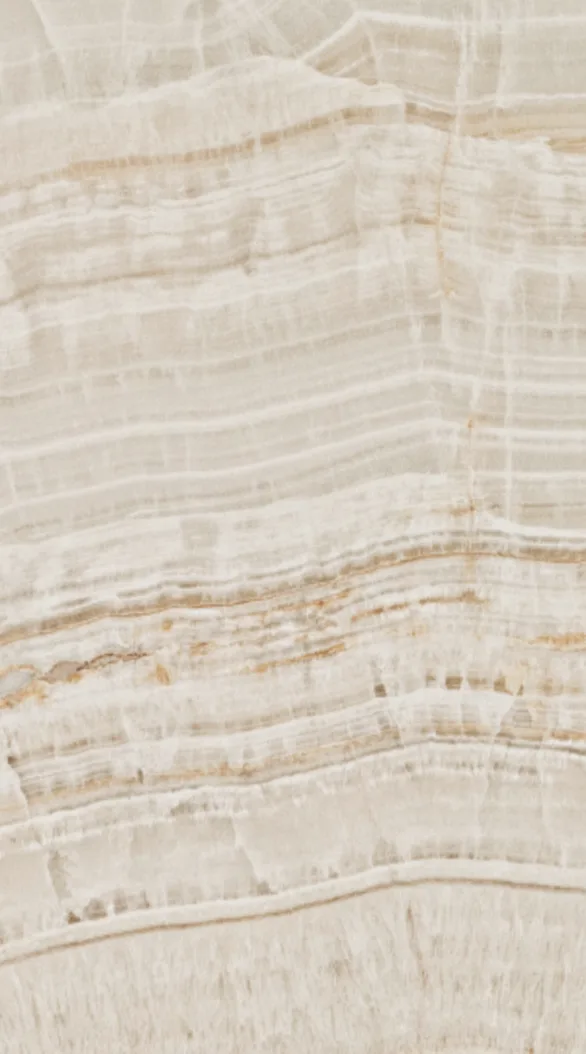
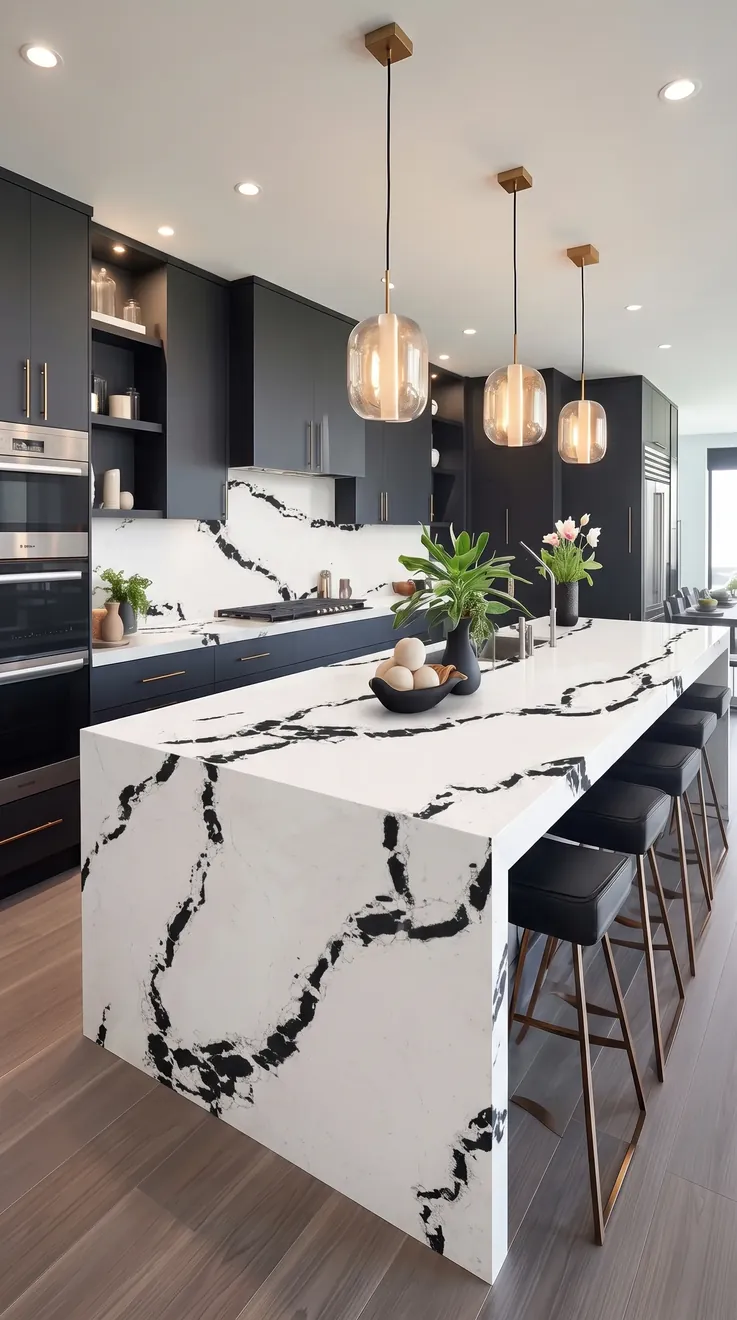
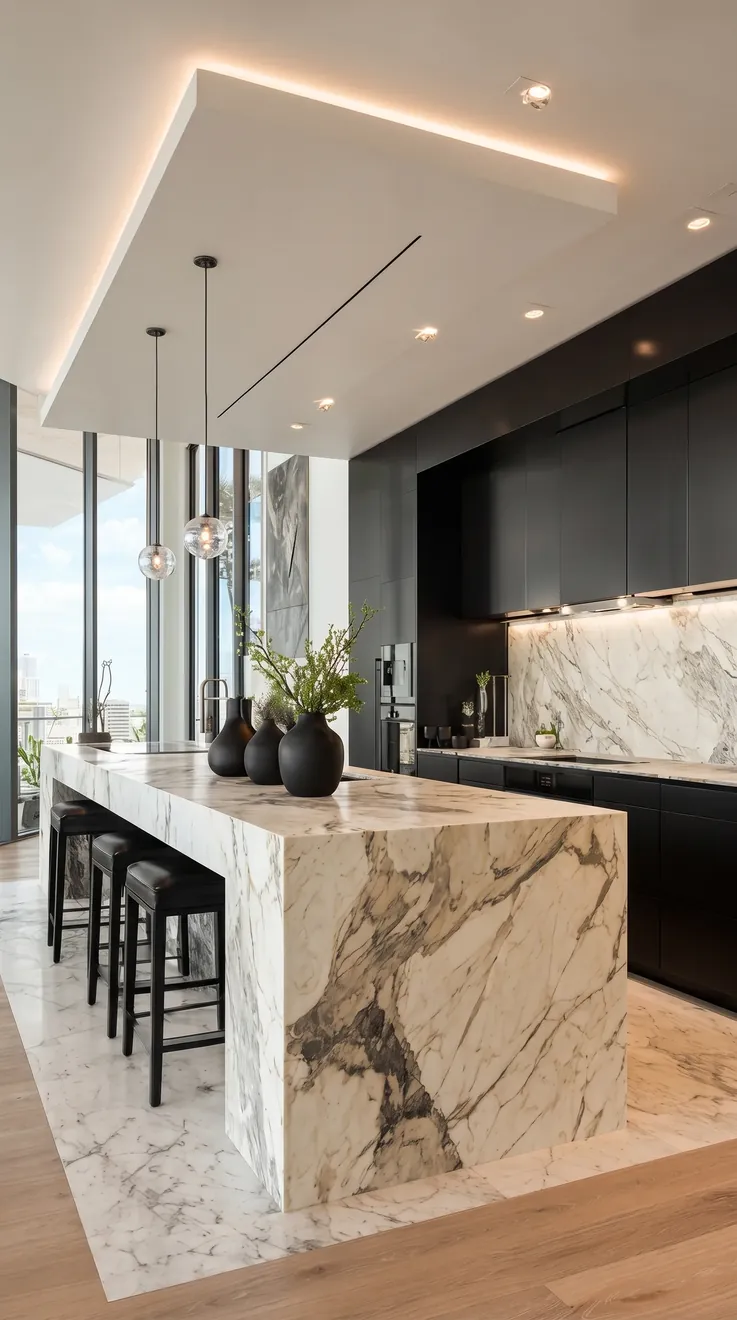
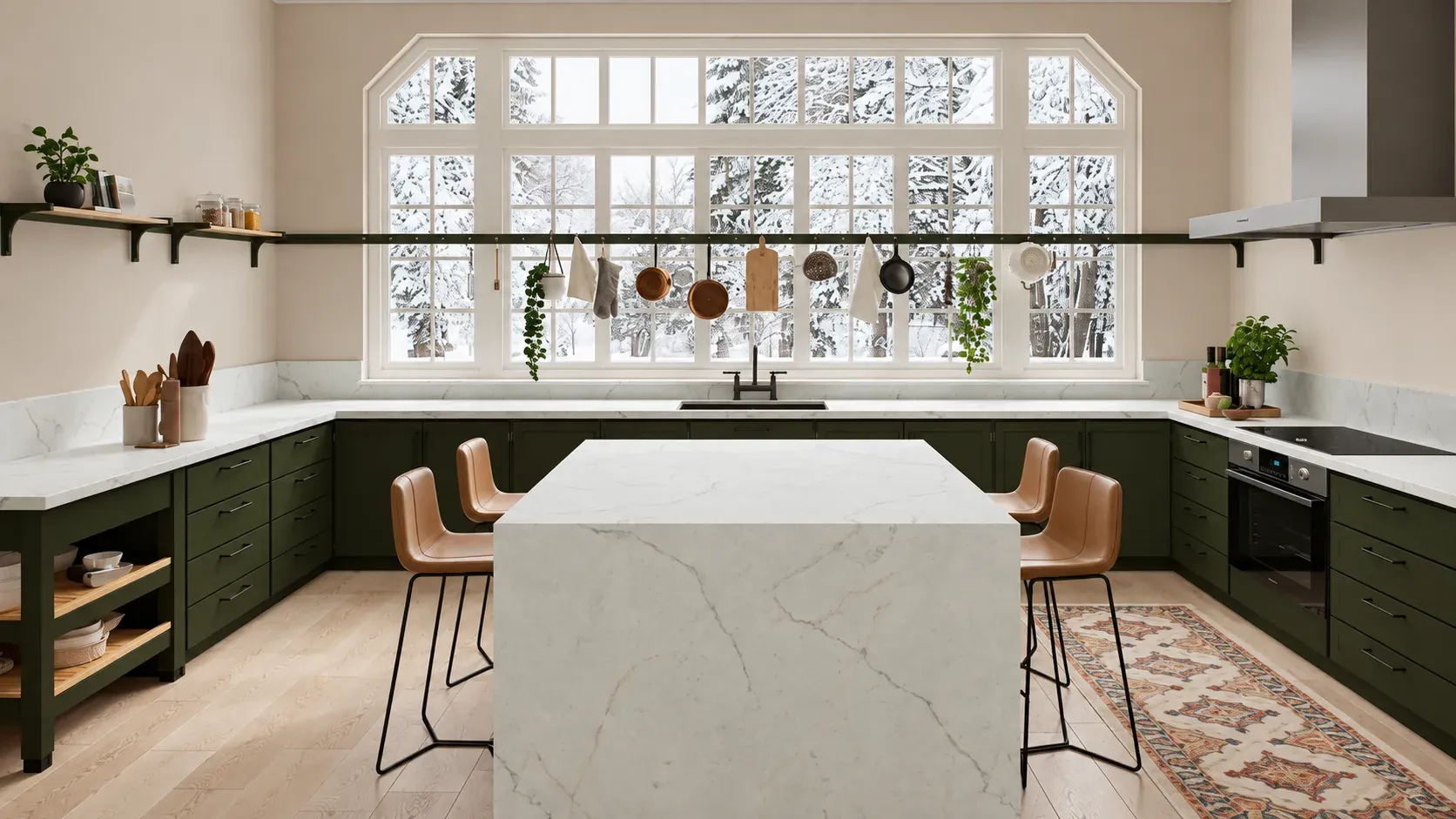
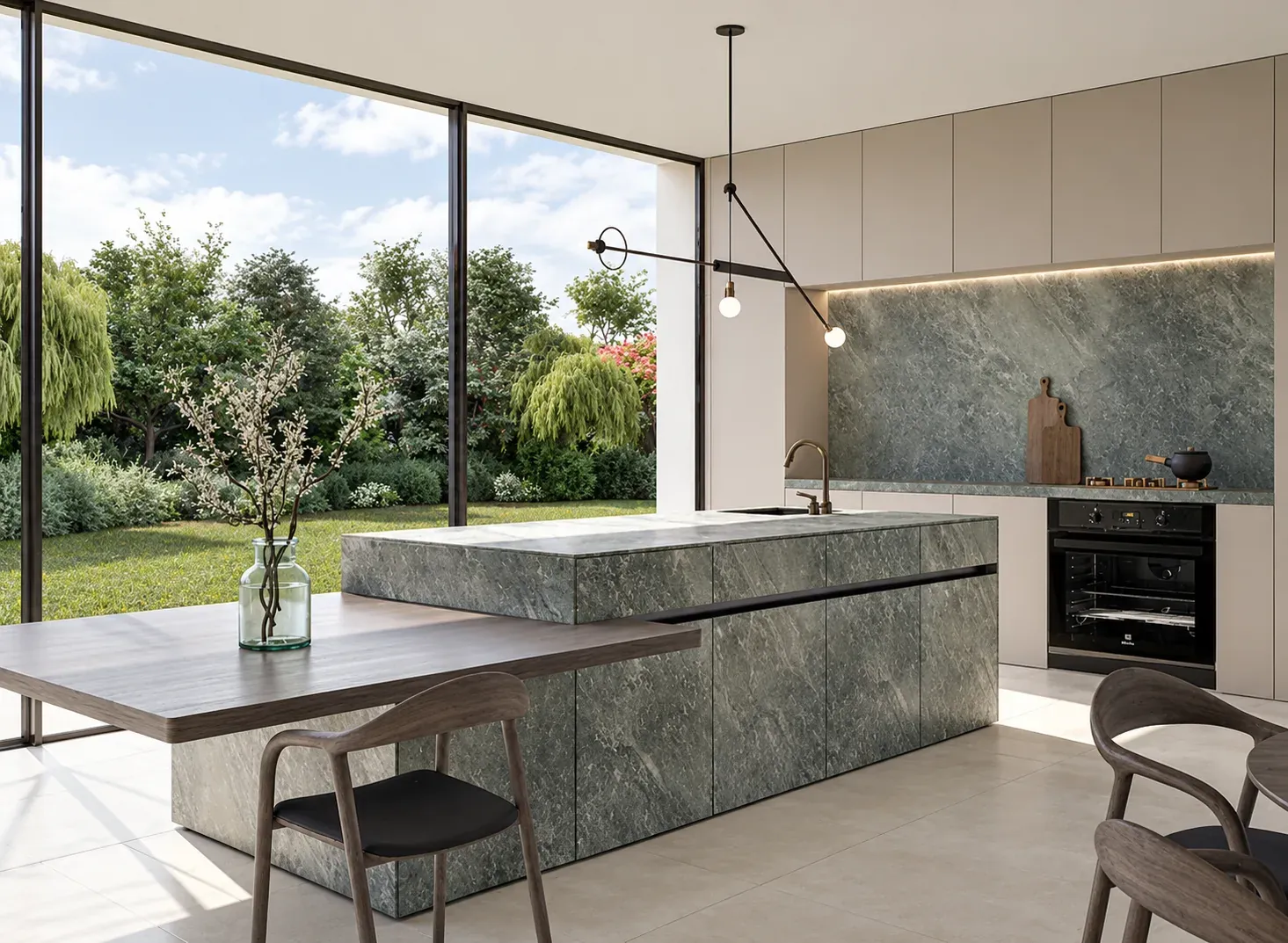
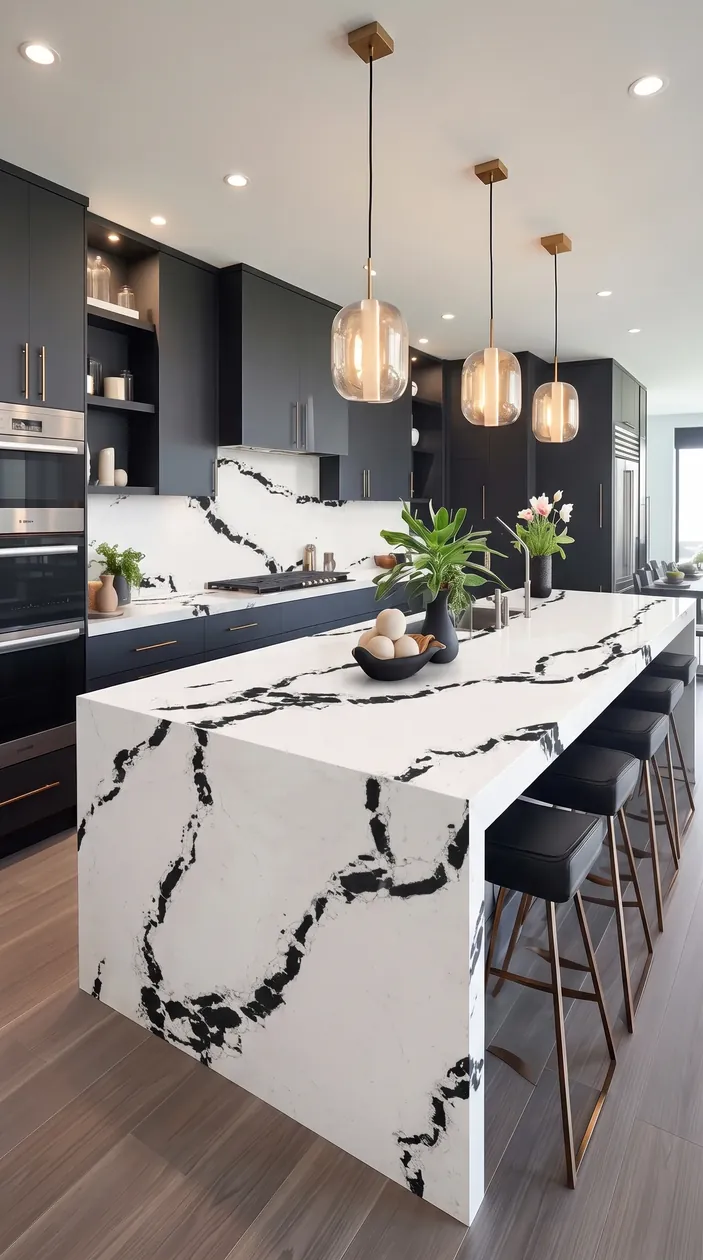
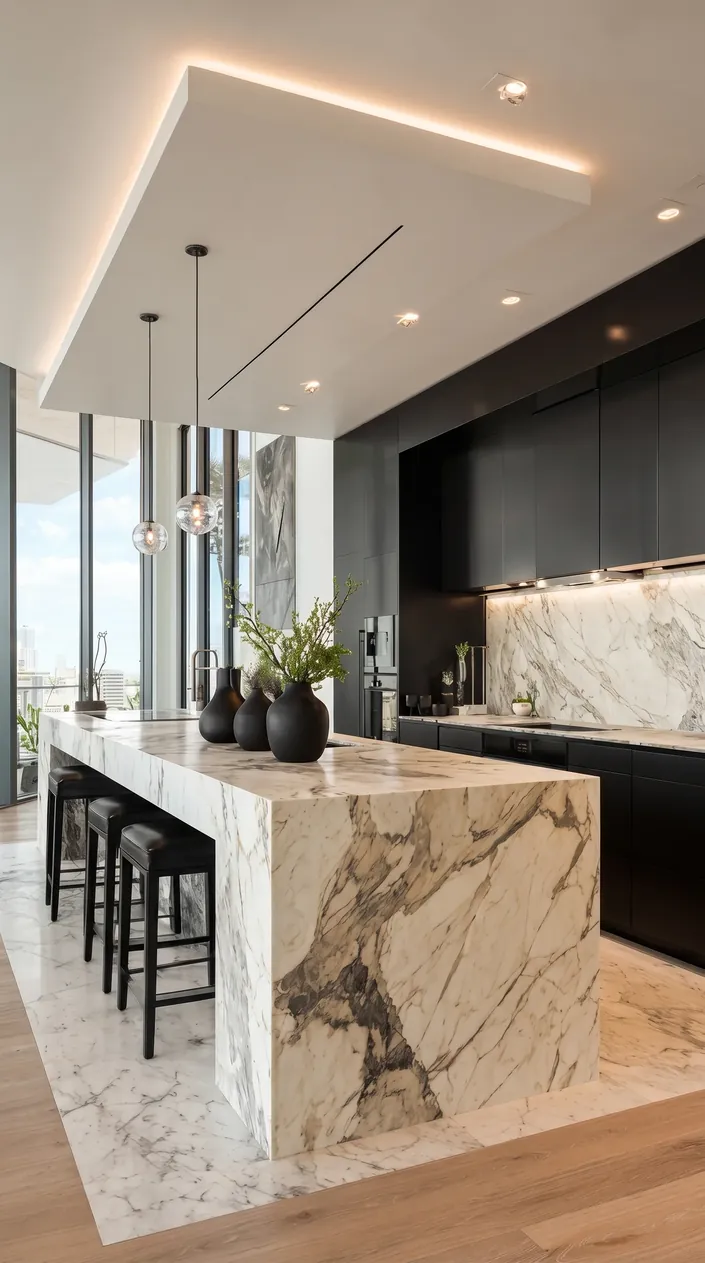
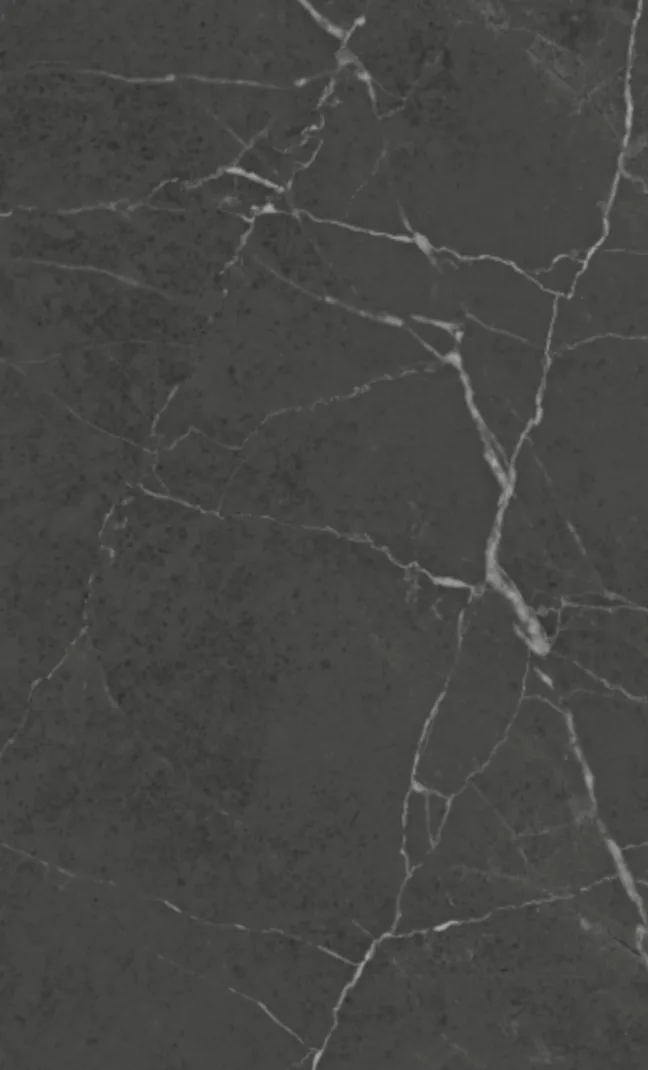
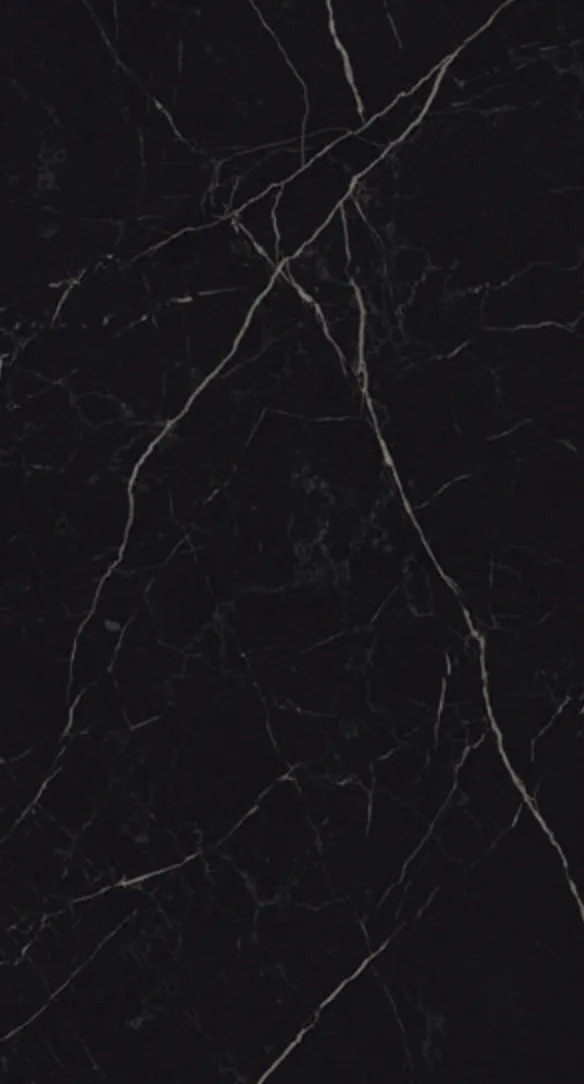
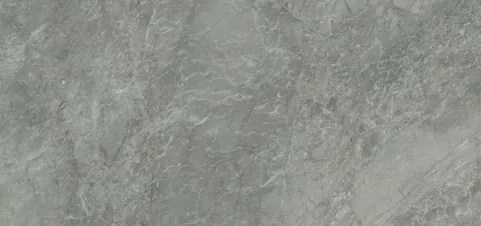
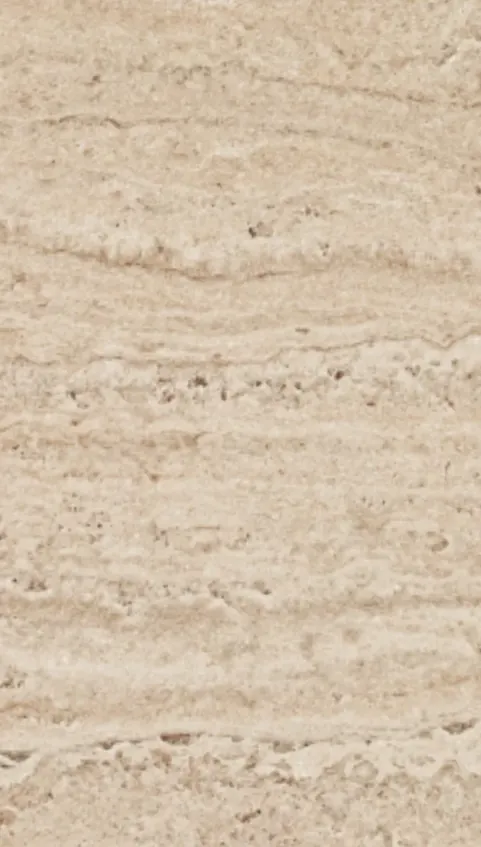
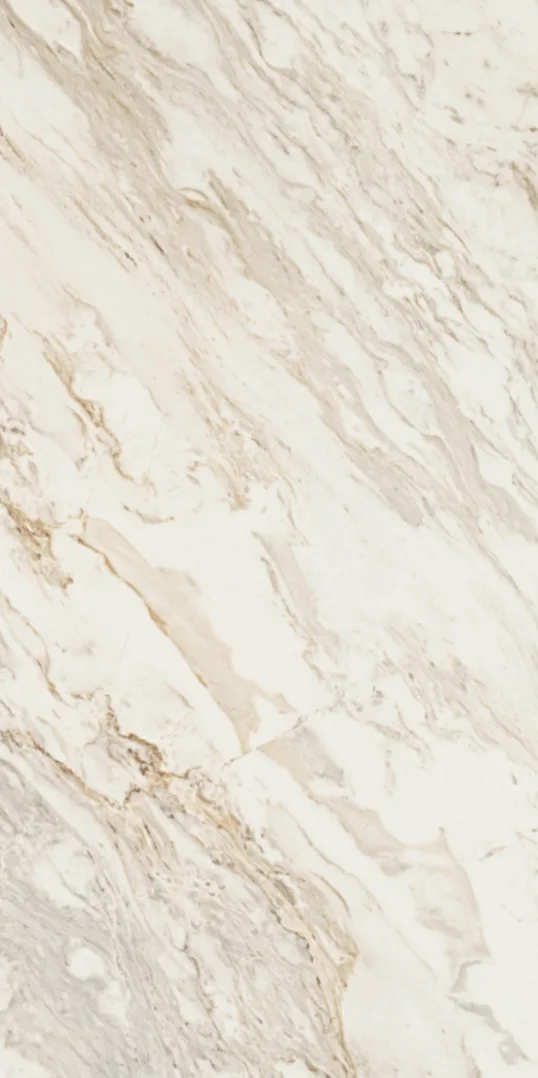
Look and finish are part of the product, so judge them on the actual slab. Trade coverage lists natural-stone looks such as marble and onyx, along with cement, resin and metal-inspired designs. Contractors describe matching patterns across adjoining panels, so ask whether your counter and backsplash will be matched and how much extra material that takes. A color name does not reveal the finish, so confirm the finish on the spec sheet and view the slab both dry and wet.
Backsplashes and full-height walls
Yes, porcelain slabs work on kitchen walls; walls and floors are common uses for these panels. ANSI A108.19 covers interior wall installation for the thinner classes. One trade article asks for a very flat wall, with a tolerance of 1/8 inch over 10 feet, and an adhesive and installation method specified by the manufacturer. Plan outlets and range cutouts before cutting, ask how exposed ends will be finished, and settle the top edge, under-cabinet lighting and hood with your upper cabinetry.
Indoors, outdoors and Florida sun
Say up front if the slab will see weather. Some porcelain slabs are rated for outdoor use, so ask for the manufacturer’s rating for your exact color. Exterior installation has its own standard, ANSI A108.20, and Stone World advises an adhesive made for outdoor expansion and contraction. For humidity and salt air, see our guide to coastal Florida kitchens. For the pros and trade-offs of thin edges and fabrication, see porcelain countertops. As with any slab, ask for the manufacturer’s SDS for your exact color; our silica guide explains why.
Frequently asked questions
Can porcelain slabs be used as a kitchen backsplash?
Yes. Walls and floors are common uses for gauged porcelain panels, and ANSI A108.19 covers interior wall installation for the thinner classes. Confirm your slab’s thickness class with the manufacturer.
How big is a porcelain slab?
Under ANSI A137.3, a panel or slab is at least one square meter. Trade press cites common formats of about 47 by 102 inches and 63 by 126 inches, but available sizes depend on the product.
Can the same porcelain cover the counter and the wall?
Often, but thickness matters. Ask which uses the manufacturer rates your slab’s thickness for, and whether the pattern can be matched across counter and wall.
Keep reading
 Porcelain countertopsLarge-format porcelain countertop surfaces for kitchens in Southwest Florida. Browse the colors.Read more
 CabinetryShaker, slim shaker, high gloss and matte slab cabinetry.Read more
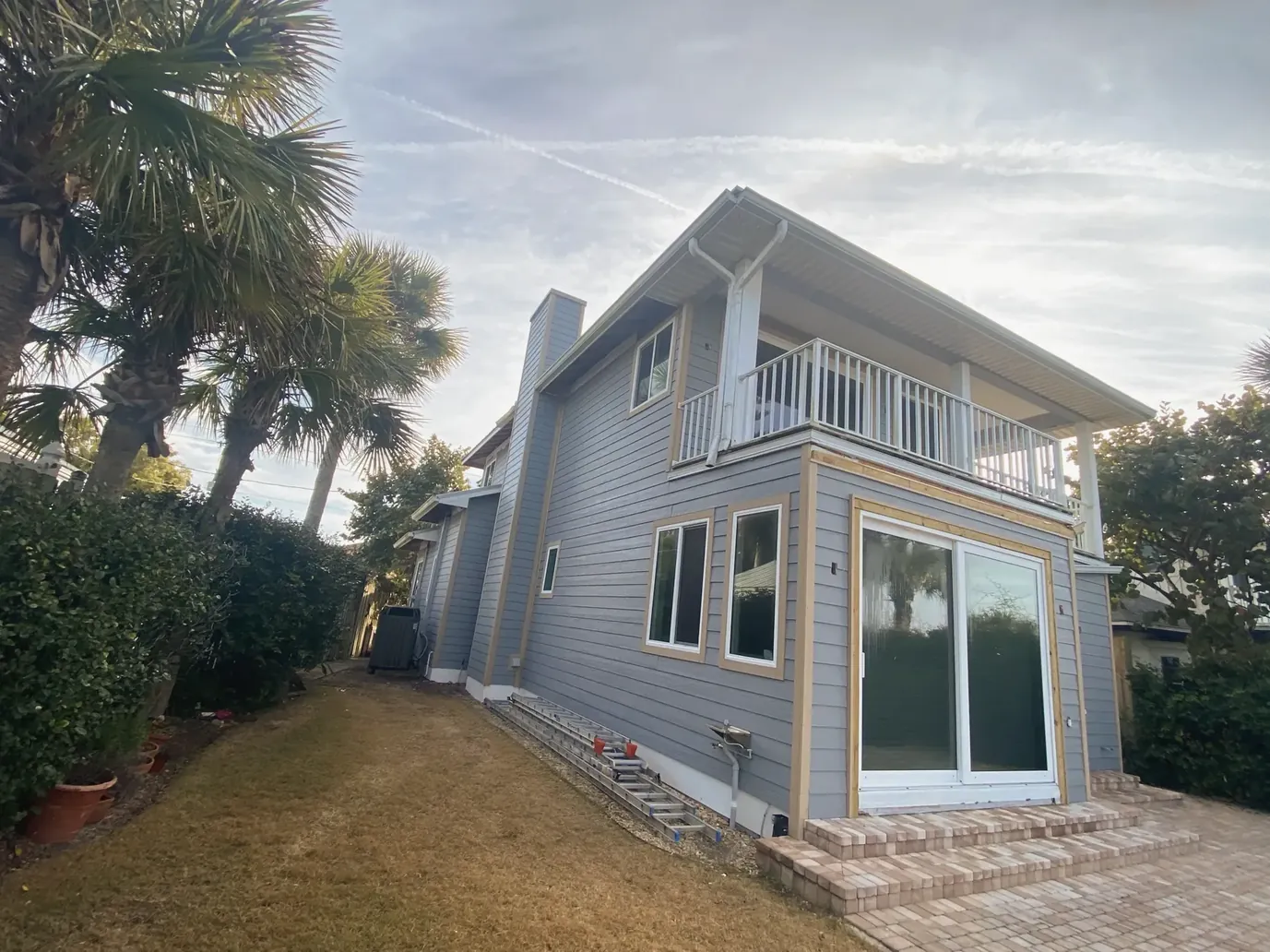 Kitchens in humid and coastal Florida homes: what salt and moisture doHumidity, salt and storm water each stress a kitchen in a different place. Here is where they hit, and how to choose materials that hold up.Read more
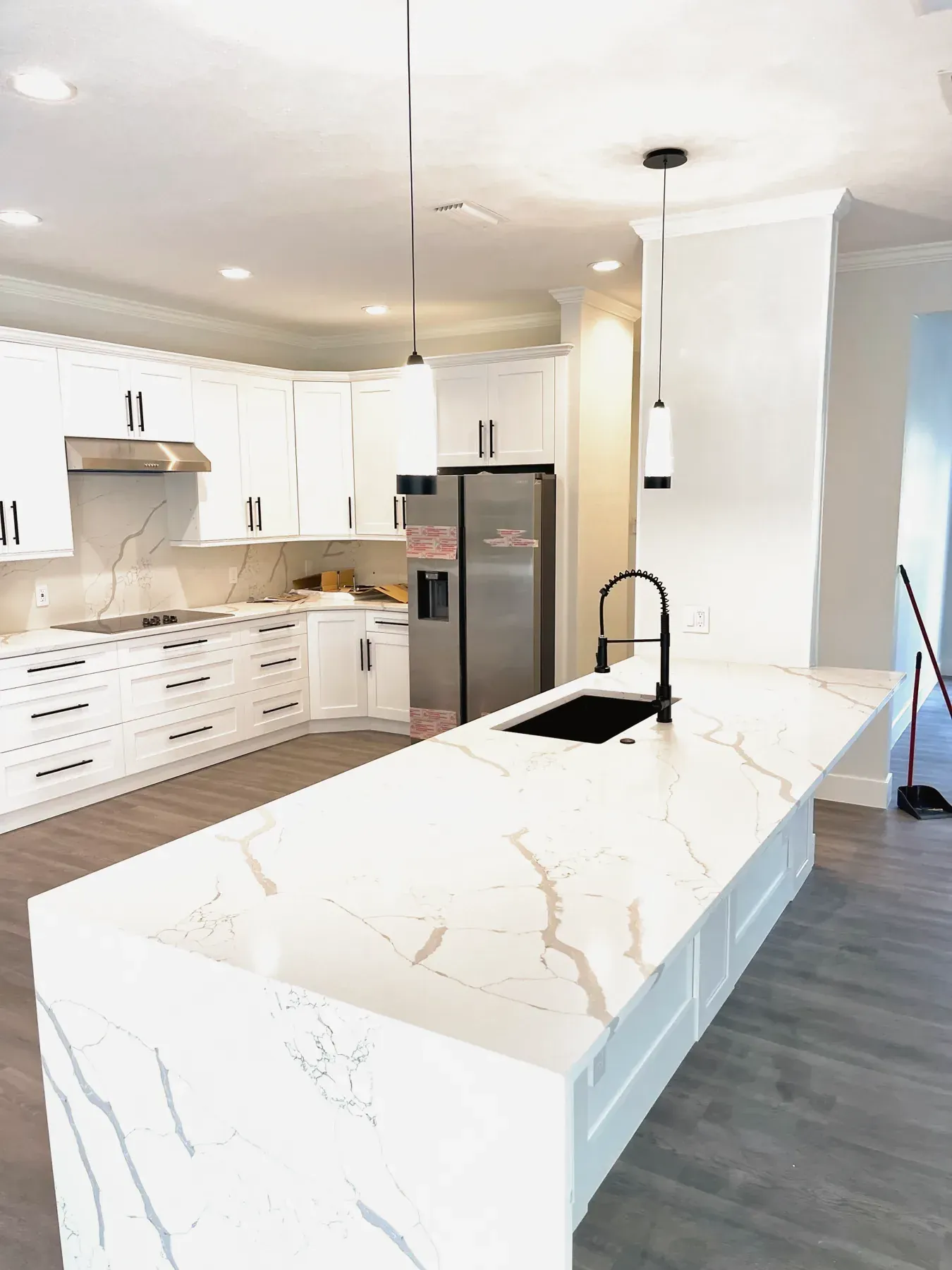 Porcelain vs quartz vs other countertops: what about silica?Crystalline silica is mainly a worker-safety issue that starts in the fabrication shop. Here is what OSHA and NIOSH say about each material, and what…Read more
Sources
- TCNA: ANSI A137.3, A108.19 and A108.20, specifications for gauged porcelain tiles and tile panels/slabs (October 2025)
- Stone World: Gauged porcelain tile panels/slabs trends
- Stone World: Gauged porcelain tiles and gauged porcelain tile panels (Apr. 15, 2019)
- Stone World: Advice on handling, fabricating and installing porcelain slabs (Jan. 25, 2021)