On this page
What humidity does to a Florida kitchenHurricane season and storm waterWhat salt does, and to which partsPlywood, MDF or particleboard: which cabinet material holds upCounters, sinks and floors in a humid kitchenFlood zones and the 50% ruleVentilation and moisture control around the range and sinkA short checklist before you orderFrequently asked questionsKey takeaways
- Humidity is the everyday stressor. The National Weather Service reports dew points above 70°F in the rainy season, and UF/IFAS says most molds do best above about 60% relative humidity.
- Particleboard and MDF swell when they get wet or stay humid, and the swelling does not fully reverse. No wood product is waterproof, so ask how the sink base is built and sealed.
- Salt from sea spray corrodes exposed metal, and even stainless steel can stain. Ask about the base metal and finish of hardware and fixtures.
- In a mapped flood zone, FEMA rates metal built-in cabinets acceptable and wood and particleboard cabinets unacceptable below the flood elevation. Ask your county floodplain office what applies to you.
- A large remodel can trigger floodplain rules. Manatee County counts cabinets, countertops and built-in appliances toward its 50% threshold.
What humidity does to a Florida kitchen
Humidity works slowly: it finds the places where water already collects, such as the sink base, the dishwasher side and the toe kick. The National Weather Service defines the rainy season as May 15 to October 15 in Southwest Florida and May 25 to October 10 elsewhere in West Central Florida, with dew points above 70°F. UF/IFAS Extension says most molds do best above about 60% relative humidity, and the EPA recommends keeping indoor humidity below 60%, ideally between 30% and 50%.
Two habits matter more than any product. Fix leaks first, and dry anything that gets wet quickly: the EPA says within 24 to 48 hours, and UF/IFAS says within 48. If you leave the house for months, UF/IFAS’s seasonal-home guide advises setting the air conditioner no higher than 85°F so it keeps cycling.
Hurricane season and storm water
The Atlantic hurricane season runs from June 1 to November 30, and the National Weather Service calls storm surge the greatest threat to life and property for coastal residents. In 2024, NWS Tampa Bay documented record high water levels from Hurricane Helene at numerous tidal gauges and about 20 inches of rain from Hurricane Milton at one St. Petersburg gauge. Those events are why flood questions belong in kitchen planning. For scheduling, deliveries and insurance, see our guide to planning a remodel around hurricane season.
What salt does, and to which parts
Salt mostly attacks exposed metal. Stainless steel producer Outokumpu says the main driver of atmospheric corrosion in stainless steel is chlorides carried by sea spray, road salt or emissions: the salt residue draws moisture, and that film, especially with pollutants, can locally break down the metal’s protective layer. Sheltered surfaces that rain does not wash are more prone to buildup. FEMA’s flood-materials guidance likewise recommends corrosion-resistant fasteners in coastal environments where airborne salts contribute to corrosion.
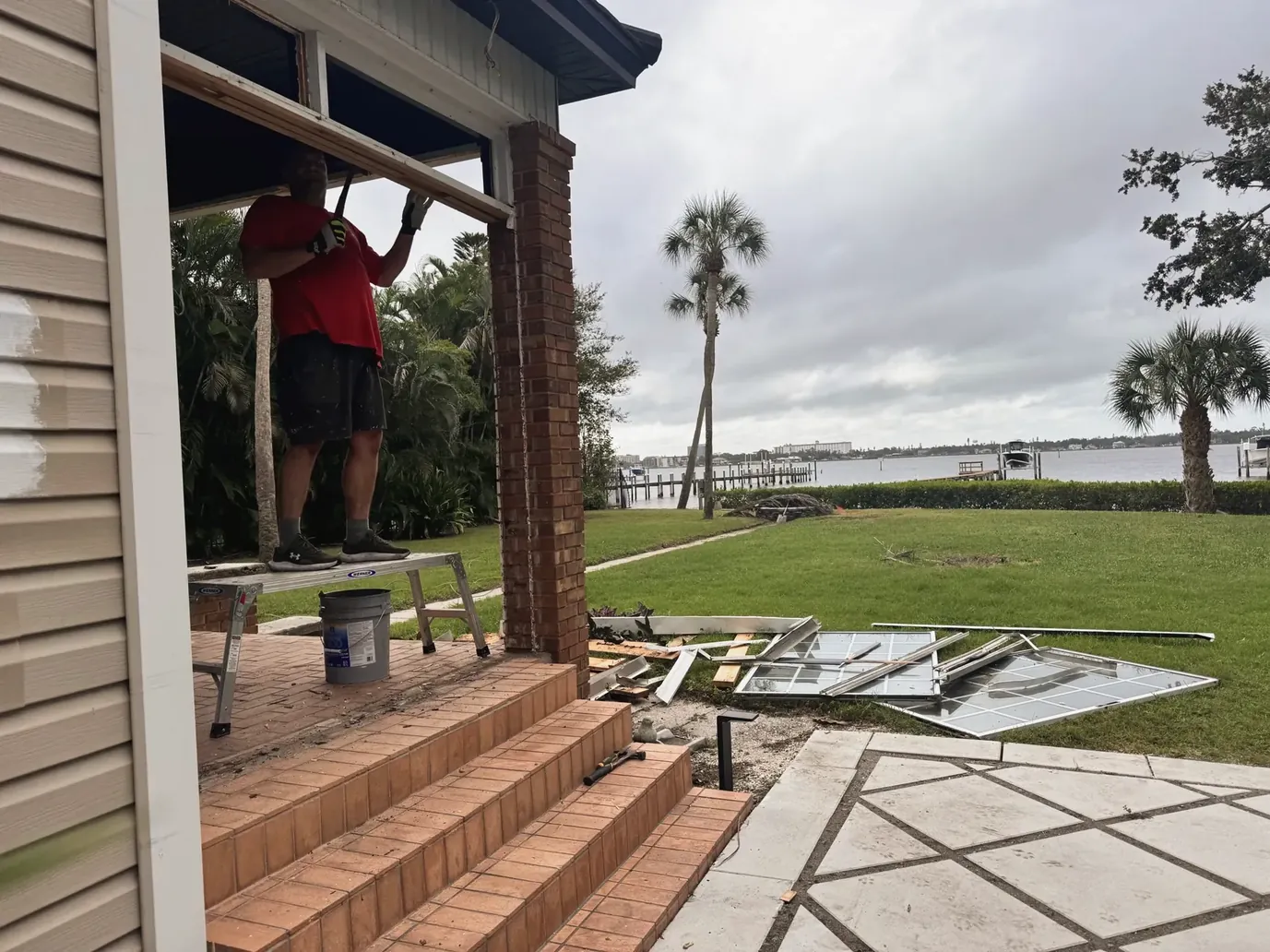
In a kitchen, that means checking four places:
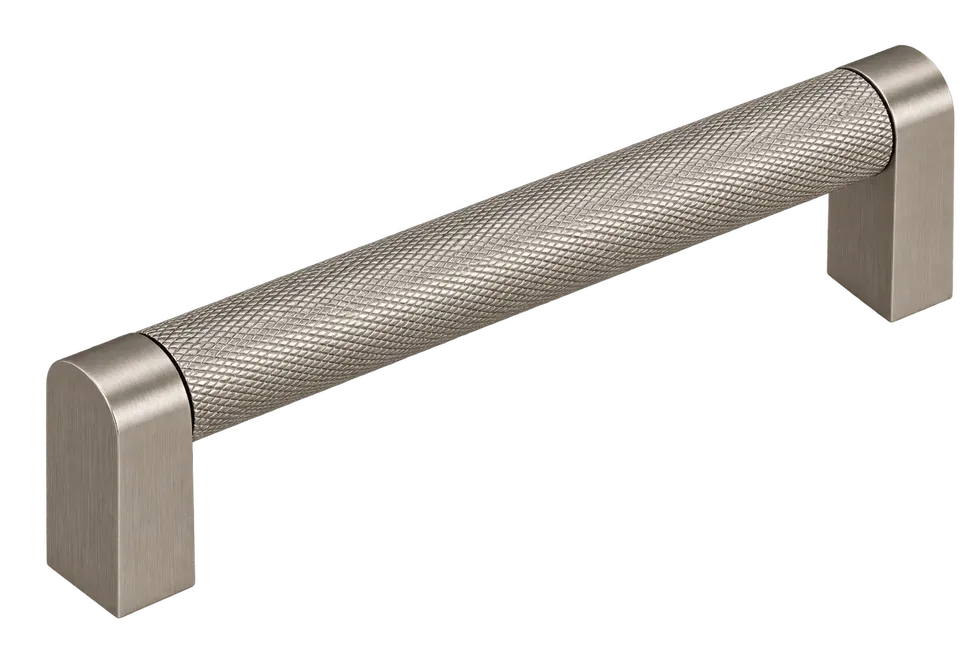
- Cabinet hardware. Hinges, drawer slides and pulls. Ask what each is made of and how it is finished, and whether the maker publishes a salt-spray test rating.
- Faucets and drains. Choose well-finished kitchen fixtures and rinse salt film off exposed metal regularly.
- Appliance fronts. Stainless can develop “tea staining” in coastal air. The World Stainless Association says it mainly affects appearance. Outokumpu lists 316-type grades for light marine conditions, says smooth, clean finishes resist best, and points to higher-alloyed grades for directly coastal exposure, so treat 316 as better but not immune and rinse regularly.
- Fasteners and shelf pins. Use corrosion-resistant ones wherever they stay exposed.
Plywood, MDF or particleboard: which cabinet material holds up
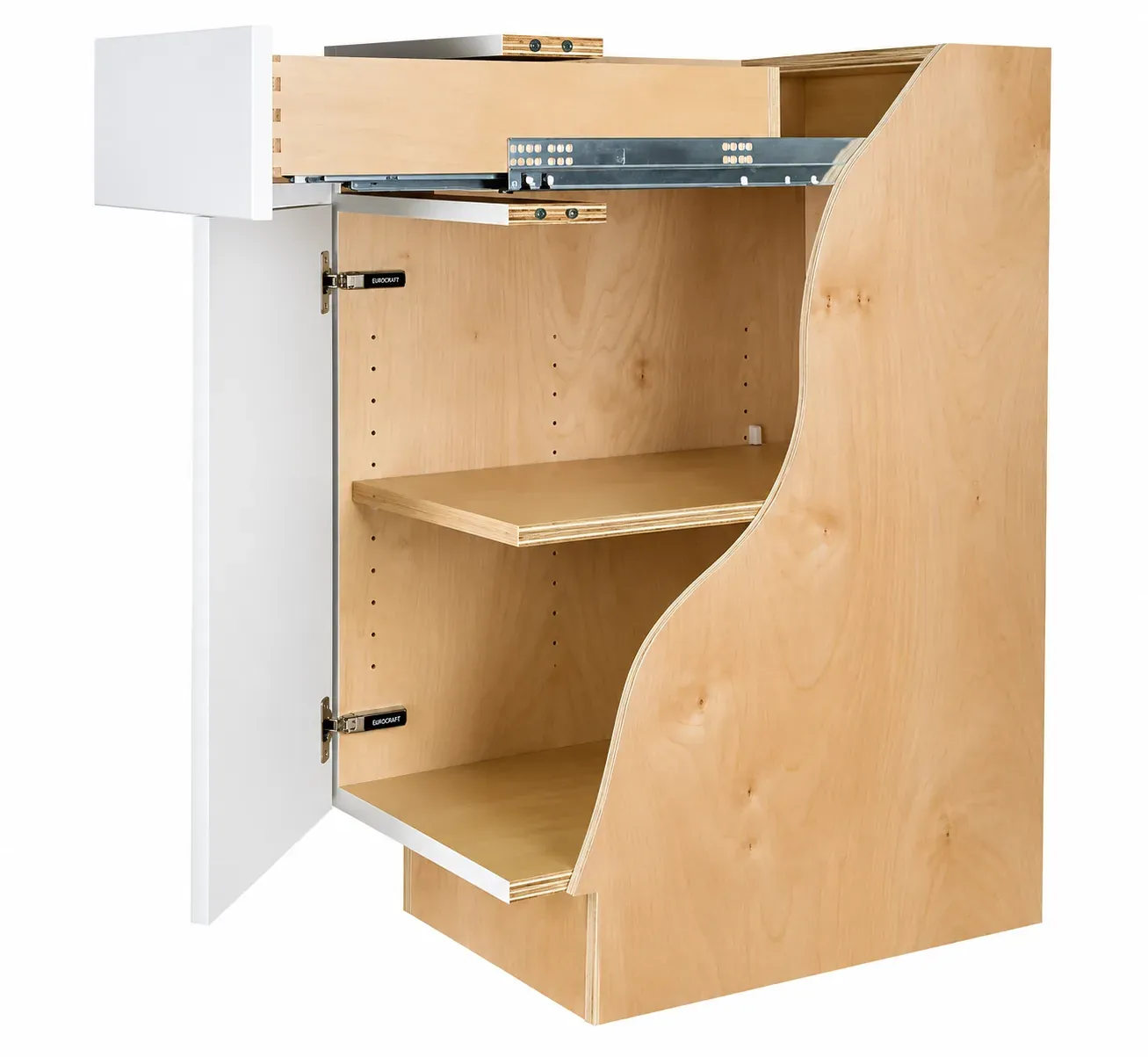
For cabinet boxes in a humid or coastal home, ask which panel material is used and how its edges are sealed; no wood product likes standing water. The Composite Panel Association, the trade group for particleboard and MDF makers, says that when these panels swell from high humidity or water, the change is not reversible, and that they swell more than solid wood. FEMA’s flood-materials bulletin rates particleboard unacceptable below the flood elevation, and rates plywood acceptable only if it is marine grade, preservative treated or exterior grade. Ordinary cabinet plywood is not waterproof, so the grade and the edge sealing matter.
| Material | How it reacts to moisture | Where it fits |
|---|---|---|
| Plywood boxes | Not waterproof. FEMA accepts plywood for flood exposure only if marine grade, treated or exterior grade. Grade and edge sealing matter. | Cabinet boxes, with the grade and edge sealing checked |
| Particleboard | Swells when wet and does not fully recover. Rated unacceptable for flood exposure by FEMA. | Poor choice near water |
| MDF | Same swelling behavior as particleboard, per the Composite Panel Association. | Painted door and drawer fronts, with the finish and edges checked |
| Metal cabinets | Rated acceptable for flood exposure by FEMA, but not recommended where saltwater flooding occurs. | Specialty use in flood-prone areas |
Our cabinetry pages list ¾-inch plywood boxes with white melamine or birch-veneer interiors, concealed soft-close hinges and full-extension soft-close drawer boxes. Door and drawer fronts on some lines are MDF or engineered wood, so ask about edge sealing. If you ask one question about cabinets in a humid house, ask about the sink base: what it is made of, and how its floor and back panel are protected.
Counters, sinks and floors in a humid kitchen
Choose non-porous counters, and let flood exposure, not looks, decide the floor. Quartz surfaces are described by their makers as non-porous and not requiring sealing; follow the care sheet for your color. Porcelain is described as UV-stable and fade-resistant, which helps on sunny runs. Our sinks page lists quartz sinks in many sizes and bowl configurations. For the silica question on any of these surfaces, see our guide to porcelain, quartz and silica.
Floors matter most in a flood. FEMA rates mortar-set ceramic and porcelain tile acceptable, but tile set with organic adhesives unacceptable. It also rates solid wood, engineered wood and laminate floor coverings unacceptable, along with vinyl on cork or wood backings.
Flood zones and the 50% rule
If your kitchen is in a mapped flood zone, the rules can reach the cabinets, the floor and the size of your remodel. FEMA’s technical bulletin on flood damage-resistant materials applies to buildings in Special Flood Hazard Areas and to materials below the base flood elevation. It rates built-in metal cabinets acceptable, with a note that they are not recommended in areas subject to saltwater flooding, and rates built-in wood and particleboard cabinets unacceptable.
Separately, the National Flood Insurance Program requires communities to treat a substantial improvement like new construction. Manatee County’s application packet defines it as work costing 50% or more of the structure’s market value within a one-year period, and counts kitchen cabinets and countertops, built-in appliances and demolition labor toward that total. A building that crosses the line must meet flood regulations, including elevation. Thresholds and look-back periods differ by community, so ask your own floodplain administrator before design; see our notes on Anna Maria Island and Longboat Key permits and Siesta Key and Sarasota flood rules.
FEMA also reports that up to 40% of National Flood Insurance Program claims are paid on buildings outside mapped flood zones.
Ventilation and moisture control around the range and sink
Cooking and dishwashing add moisture, so vent them outdoors and keep the air conditioning working. The EPA advises running exhaust fans or opening windows when cooking or using the dishwasher, and venting stoves to the outside where possible. Ask whether your range hood ducts outdoors, and see how a turnkey kitchen remodel is organized. In a house that is closed up for weeks, add a dehumidifier with a drain and a simple water sensor under the sink as an early warning.
A short checklist before you order
- Ask your county or city which flood zone you are in and whether the remodel could count as a substantial improvement.
- Ask your contractor to name the cabinet box material, its edge sealing and how the sink base is built.
- Ask for the base metal and finish of hardware, and keep any salt-spray rating in writing.
- Choose a non-porous counter and decide whether the surface gets strong direct sun.
- Confirm that the range hood vents outdoors.
- If you leave the home for months, plan for air conditioning that keeps cycling and shut off water at the meter, as UF/IFAS advises.
Frequently asked questions
Does salt air really damage kitchen hardware?
It can. Salt from sea spray settles on exposed metal and, with moisture, can corrode it. Even stainless steel can stain, mostly a cosmetic issue. Ask for the base metal and finish of hinges, slides, pulls and fixtures.
Should Florida cabinets be plywood or MDF?
Ask what each part is made of and how it is sealed. The Composite Panel Association says particleboard and MDF swell with humidity or water and do not fully recover, and FEMA accepts plywood for flood exposure only if it is marine grade, treated or exterior grade. Ask how door-front finishes and edges are protected.
What indoor humidity should I aim for?
The EPA recommends below 60%, ideally 30% to 50%. UF/IFAS notes that most molds do best above about 60%.
Do flood rules apply to my kitchen remodel?
They can if the home is in a mapped flood zone. Local officials decide whether the work is a substantial improvement, usually at 50% of the building’s market value. Ask your county or city floodplain office.
What should I do with my kitchen when I leave for the summer?
UF/IFAS advises setting the air conditioner no higher than 85°F so it cycles, running a dehumidifier with a drain if you have one, and turning off water at the meter unless it feeds irrigation.
Keep reading
Planning a kitchen remodel around hurricane season in FloridaHurricane season covers half the year. You can still remodel, but the schedule needs buffers, a plan for materials on site and a few written answers…Read more CabinetryShaker, slim shaker, high gloss and matte slab cabinetry.Read more
 Kitchen fixturesPremium faucets from trusted brands such as Brizo and Moen: design, performance and no compromises.Read more
Sources
- NWS Tampa Bay: Florida Thunderstorm Season (rainy season dates and dew points)
- NWS Tampa Bay: Tropical weather (hurricane season dates, storm surge)
- NWS Tampa Bay: Post Tropical Cyclone Report, Hurricane Helene (2024)
- NWS Tampa Bay: Post Tropical Cyclone Report, Hurricane Milton (2024)
- EPA: A Brief Guide to Mold, Moisture, and Your Home
- UF/IFAS Extension Sarasota County: Mold Management in the Home (2024)
- UF/IFAS Extension: Closing Your Seasonal Home (FCS3154/HE887)
- Composite Panel Association: Dimensional Stability of Particleboard and MDF (Technical Bulletin)
- FEMA: NFIP Technical Bulletin 2, Flood Damage-Resistant Materials Requirements (January 2025)
- Outokumpu: Stainless steel and atmospheric corrosion
- World Stainless Association: Understanding Corrosion, Chapter 4: Tea staining
- Manatee County: FEMA 50% Rule, Substantial Improvement / Damage Application Packet